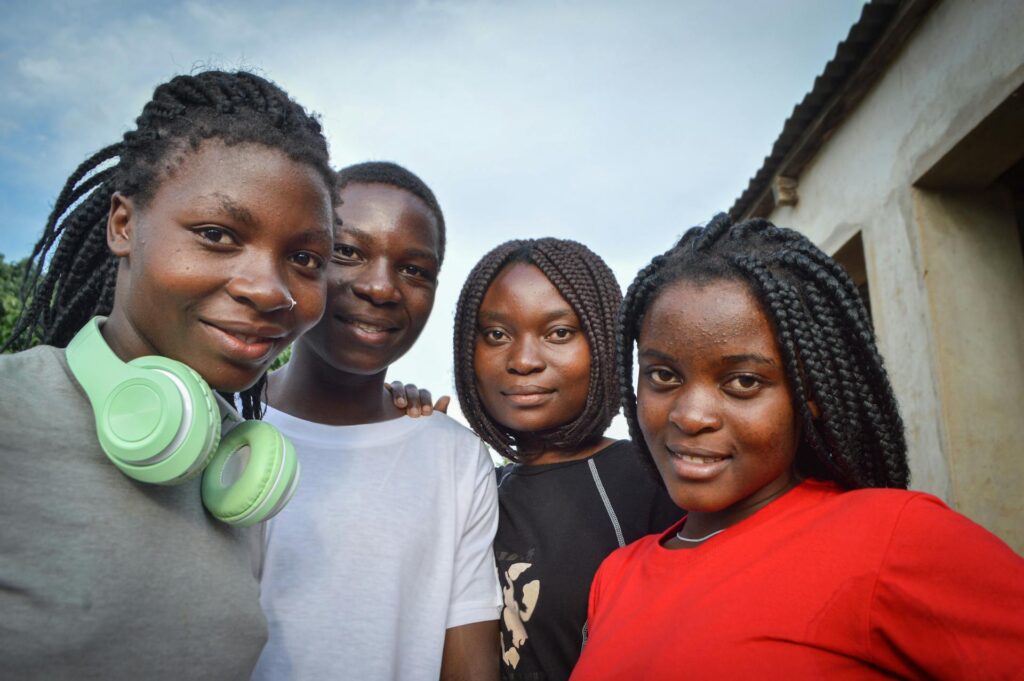
Youth empowerment has become a central theme in Sierra Leone’s development agenda. With more than 60% of the population under the age of 25, the country’s future heavily depends on how effectively it can engage and support its young people.
Education plays a critical role in this effort. The government has introduced free quality education programs aimed at increasing enrollment and reducing dropout rates. While progress has been made, challenges such as overcrowded classrooms, limited resources, and teacher shortages still persist.
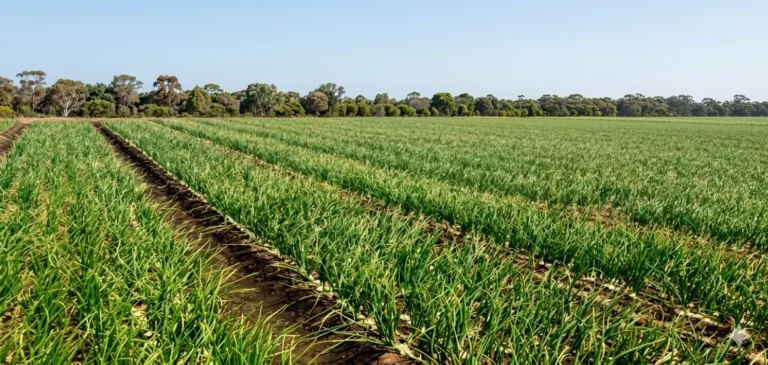
Beyond formal education, vocational training programs are gaining popularity. These initiatives focus on practical skills such as carpentry, tailoring, agriculture, and digital literacy. By equipping young people with employable skills, these programs aim to reduce unemployment and encourage entrepreneurship.
Entrepreneurship is another area seeing growth. With support from NGOs and international organizations, young entrepreneurs are receiving access to microfinance, mentorship, and business development services. Startups in sectors like agriculture, technology, and retail are beginning to emerge.
Despite these positive developments, barriers remain. Limited access to funding, inadequate infrastructure, and bureaucratic hurdles often discourage young innovators. Additionally, social challenges such as poverty and gender inequality continue to impact opportunities for many youths.
To overcome these obstacles, a collaborative approach is essential. Government policies must align with private sector initiatives and international support to create a more enabling environment.
Ultimately, empowering youth is not just a social goal but an economic necessity. By investing in its young population, Sierra Leone can build a more resilient and sustainable future.