
By Lawrence Williams
Vice President Dr. Mohamed Juldeh Jalloh has candidly shifted the focus of the country’s economic debate, stating that the primary challenge facing citizens is not the cost of food, but rather a severe lack of household income.
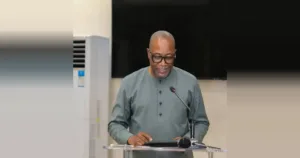
Speaking during a crowded civic day engagement with the Sierra Leonean diaspora in London, the vice president acknowledged that while the government has successfully stabilized the availability and cost of essential commodities, low purchasing power remains a major hurdle for families back home.
He promised that the next phase of government reforms will target job creation, livelihood expansion, and boosting the disposable income of Sierra Leonean households.
Dr. Jalloh highlighted the administration’s “hard-fought” efforts to bring predictability to local markets through targeted tax incentives, pricing regulations, and import substitution.
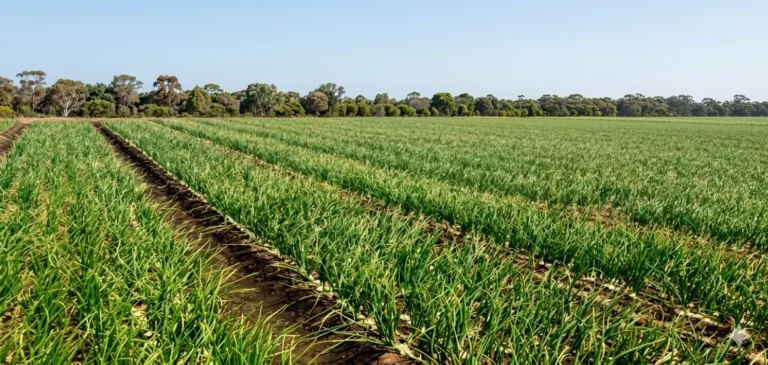
“Over the years, the government has worked very hard to stabilize commodity prices… Today, commodities such as rice, flour, onions, and vegetable oil are available in our markets, and their prices are competitive compared to many of our neighbours in the region,” Vice President Jalloh said.
However, the vice president was quick to point out that market availability means very little if citizens cannot afford to buy. He noted that the true economic pressure stems from a structural dependency issue, where too few breadwinners are forced to support massive, extended family units.
“The big challenge today is not necessarily food prices; it is household income,” Dr. Jalloh said. “Even when commodities are available and relatively affordable, many families cannot buy them because household incomes remain low.”
To combat this, the vice president stated that boosting household earnings has now become the government’s top priority, pointing to their Feed Salone flagship programme as the primary vehicle to inject cash back into the pockets of everyday citizens.
“The overarching objective behind Feed Salone and our job creation agenda is to drive economic growth that expands household incomes,” he said. “If we do not address household income, lower commodity prices alone will not significantly improve the everyday lives of our people.”