By Lawrence Williams
A high court in Nairobi on Wednesday suspended the implementation of a $1.6 billion health cooperation framework recently signed between the U.S. and Kenya under the Trump administration’s new global health strategy. This follows a petition filed by the Consumers Federation of Kenya (Cofek) challenging the transfer and sharing of medical and epidemiological data to a foreign party, citing constitutional, health and consumer protection laws.
Cofek argues that the deal lacks transparency and risks ceding strategic control of Kenya’s health systems if pharmaceuticals for emerging diseases and digital infrastructure, including cloud storage of raw data, are externally controlled.
“Kenya should cooperate boldly but safeguard fiercely,” the rights group said, adding that “partnership must not translate into surrender of sovereignty, consumer rights, or control of national health data.”
Cofek’s attorney Tali Israel, in filing the petition, told Justice Lawrence Mugambi that data on HIV/AIDS, tuberculosis, malaria, maternal health and disease surveillance is critical to Kenya’s national security and therefore too sensitive to be handed to a foreign country for a fee, according to local media reports.
“Once Kenya’s medical and epidemiological data is transferred abroad, the harm becomes permanent and irreversible. Neither this court nor Kenyan regulators will have the power to recall, restrict or oversee the foreign use of such data. This exposes citizens to lasting privacy violations, stigma and potential misuse of their information,” The Standard quoted Talil.
The Trump administration last week launched a new global health strategy it said would shift funding from the “NGO industrial complex” directly to recipient governments to maximise reach and impact.
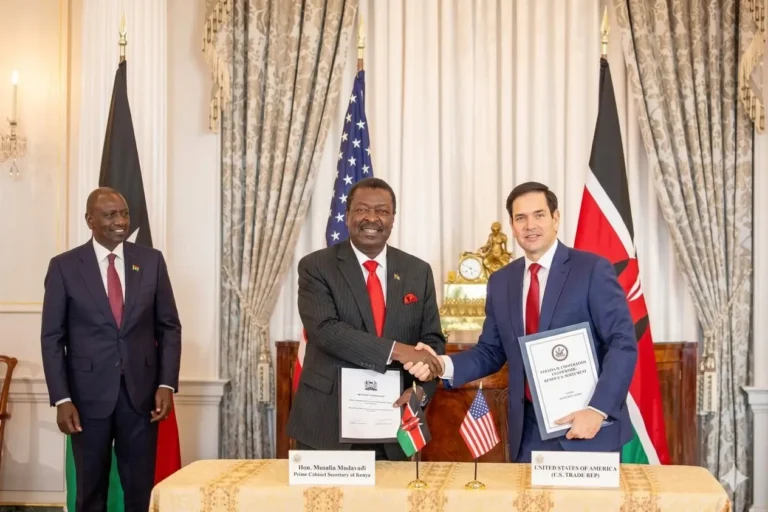
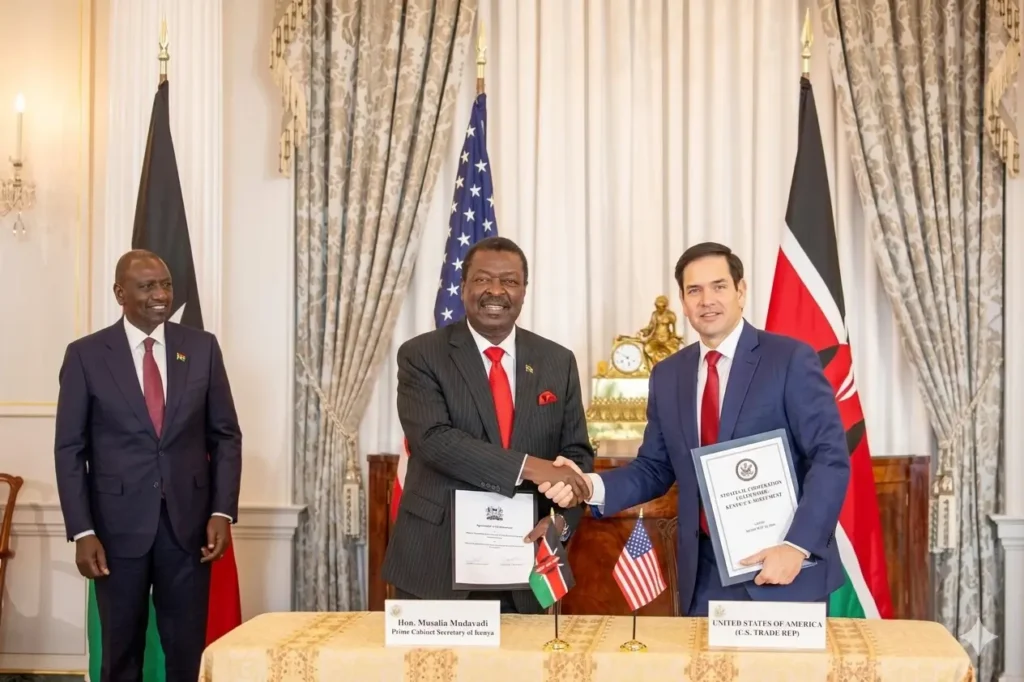
Kenya became the first country to sign a deal on Dec. 4, which rakes in $1.6 billion in U.S. assistance while contributing $850 million of its own resources over a five-year period.
U.S. Secretary of State Marco Rubio said past aid models often created parallel systems that weakened in-country health systems. He added that the new “government-to-government” approach will ensure that aid reaches the intended beneficiaries.
Kenyan President William Ruto praised the deal in Washington, saying it will enhance access to affordable healthcare and strengthen emergency response systems for millions of Kenyans.
Other African countries have also toed the line, with Rwanda, Liberia, Uganda and Lesotho all signing similar pacts amounting to nearly $2.3 billion.