Sierra Leone’s Economic Recovery: Challenges and Opportunities in 2026

Table of Content

Sierra Leone, a West African nation rich in natural resources, has been navigating a complex path toward economic recovery in recent years. After facing significant disruptions from global economic shocks, health crises, and internal structural issues, the country is now attempting to stabilize its economy and attract foreign investment.

One of the key drivers of Sierra Leone’s economy remains its mining sector, particularly diamonds, iron ore, and bauxite. While these resources have historically contributed significantly to national revenue, dependence on extractive industries has also made the economy vulnerable to global price fluctuations. In 2026, the government is actively pursuing diversification strategies to reduce this dependency.

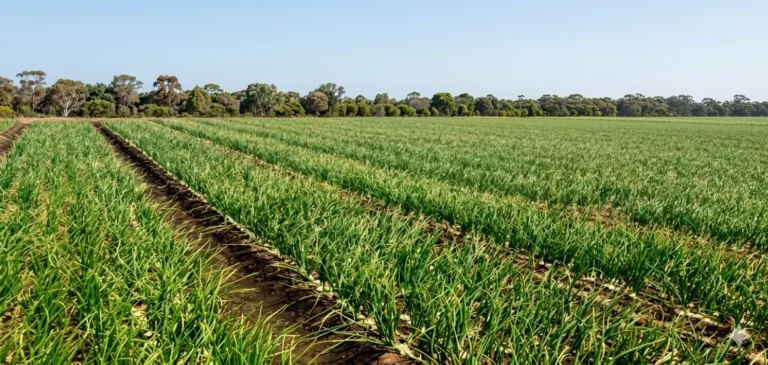
Agriculture is emerging as a promising sector. With a large portion of the population engaged in farming, investments in modern agricultural techniques, irrigation systems, and rural infrastructure are beginning to show positive results. Rice production, in particular, is receiving attention as the government aims to reduce imports and achieve food security.

However, challenges remain. High inflation, currency instability, and limited access to credit continue to affect both businesses and consumers. Youth unemployment is another pressing issue, with a growing population struggling to find stable jobs.

To address these concerns, Sierra Leone has been working closely with international partners such as the IMF and World Bank. Structural reforms, improved governance, and anti-corruption measures are being emphasized to build investor confidence.

Digital transformation is also gaining traction. Mobile banking and fintech solutions are helping bridge the gap in financial inclusion, especially in rural areas where traditional banking infrastructure is limited.

In conclusion, while Sierra Leone faces significant economic challenges, ongoing reforms and strategic investments offer a hopeful outlook. Sustainable growth will depend on diversification, good governance, and continued international cooperation.

FCDev

devteam.fc@gmail.com https://fritongpost.com

Leave a Reply

Your email address will not be published. Required fields are marked *

Recent News

Latest News

Trending

The Changing Role of Community in the Digital Age

The concept of community has undergone a significant transformation in the digital age. Traditionally, communities were defined by geographic proximity and shared experiences. Today, digital platforms have expanded the definition to include virtual connections. Online communities have become an integral part of modern life. Social media groups, forums, and digital networks allow individuals to connect...

Urbanization and Its Impact on Social Structures

Urbanization is transforming societies around the world. As more people move to cities in search of better opportunities, traditional social structures are evolving in significant ways. One of the most noticeable changes is the shift in family dynamics. Extended families living together are becoming less common, replaced by nuclear households. This change has implications for...

The Role of Education in Sustainable Development

Education is a fundamental pillar of sustainable development. It not only equips individuals with knowledge and skills but also empowers them to contribute to economic growth and social progress. In a rapidly changing world, education systems must adapt to meet evolving needs. One of the key aspects of education in development is accessibility. Ensuring that...

Infrastructure Development in Emerging Economies: Opportunities and Risks

Infrastructure development is widely recognized as a cornerstone of economic growth in emerging economies. Roads, bridges, ports, and energy systems form the backbone of a nation’s productivity, enabling trade, mobility, and industrial expansion. In recent years, many developing countries have accelerated infrastructure investments to boost growth and improve living standards. One of the main drivers...

Cultural Diversity in a Globalized World

Cultural diversity is a defining feature of the modern world. Globalization has brought people from different backgrounds closer together, creating opportunities for exchange and understanding. Diversity enriches societies by fostering creativity and innovation. Exposure to different perspectives can lead to new ideas and solutions. However, globalization also poses challenges. Cultural homogenization and loss of traditions...

Quick Links

Must Read

©2026- All Right Reserved. Designed and Developed by Fans Connector