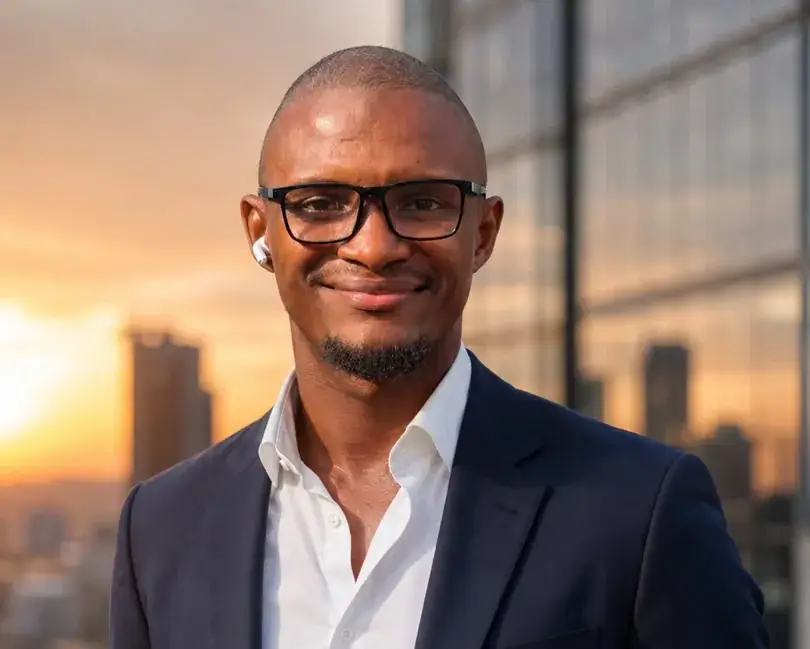
By Dr. Mohamed Ibrahim Justice Ganawah
Development does not begin with roads, electricity or foreign investment. It begins with people. More importantly, it begins with the way people think.
Sierra Leoneans often point to politics, corruption, unemployment, poor infrastructure and limited opportunities as the country’s biggest obstacles. These are genuine challenges. Yet there is another issue we rarely confront—our collective mindset.
The uncomfortable truth is that no nation can consistently think the wrong way and expect to develop the right way.
When dishonesty is admired because it leads to wealth, when personal connections are valued above competence, when shortcuts are preferred to hard work, and when citizens wait for others to build the nation they all share, they become contributors to the very problems they complain about.
It is also important to remember that leaders do not emerge from another society. Presidents, ministers, parliamentarians, judges, teachers, doctors, police officers, journalists and business leaders all come from the same homes, schools and communities as everyone else.
If children are raised to value honesty, hard work, integrity and merit, tomorrow’s leaders will naturally reflect those values. Leadership, after all, is a mirror of society.
Imagine a Sierra Leone where every child grows up believing success should be earned rather than negotiated. Imagine teachers entering classrooms determined to shape lives, students pursuing knowledge beyond examinations, and parents placing values above privilege.
Imagine businesses thriving because of innovation and productivity instead of political patronage. Investors would have greater confidence because contracts would be respected, public resources managed responsibly, and entrepreneurship rewarded.
Picture a government where policies are designed to serve every Sierra Leonean rather than a privileged few. Decisions would be driven by evidence, fairness and the national interest rather than personal or political gain.
Envisage a healthcare system where medicines purchased for public hospitals reach the patients they were intended for, and where doctors, nurses and administrators are guided by professionalism and compassion rather than personal profit.
Consider an education system where examinations are passed through learning rather than cheating, and universities produce innovators, ethical leaders and problem-solvers instead of graduates whose primary goal is simply obtaining certificates.
Imagine a justice system where every citizen—regardless of wealth, influence or political affiliation—is equal before the law. Judges would be respected for their integrity, police officers for their fairness, and lawyers for their commitment to justice rather than personal advantage.
A transformed mindset would also reshape public service. Government offices would become places where citizens receive timely and efficient service, not frustration. Public servants would understand that punctuality, professionalism and accountability are essential parts of serving the nation.
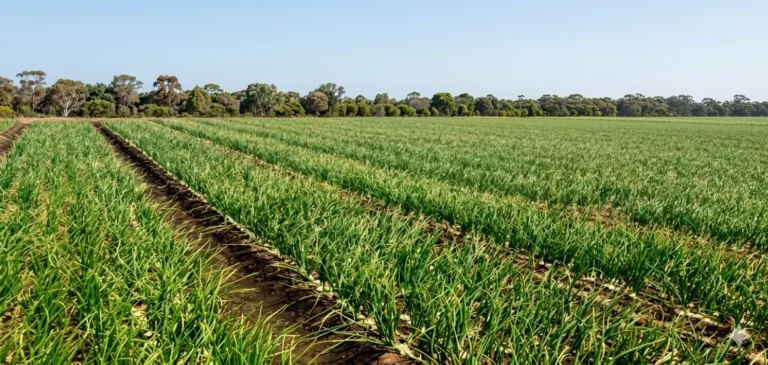
The same principles apply to agriculture, energy and the private sector. Farmers who embrace innovation would increase food production and improve rural livelihoods. Reliable electricity would be recognised as a foundation for economic growth rather than a privilege enjoyed by a few. Businesses would compete through quality, innovation and customer service and not political connections.
Even our environment would benefit. Cleaner communities, protected forests, safer roads and respect for public property would become everyday expressions of patriotism rather than occasional campaigns.
Our abundant natural resources would also be managed differently. The wealth generated from diamonds, iron ore, agriculture and other resources would translate into better schools and hospitals, reliable electricity, clean water and opportunities for every Sierra Leonean.
Politics, too, would take on a different meaning. Public office would become a platform for service rather than personal enrichment. Those entrusted with public resources would be expected to account transparently for their stewardship, and unexplained wealth would no longer be accepted as normal.
A change of a nation’s mindset invariably changes the way its institutions function. Accountability becomes part of the culture. Integrity replaces convenience. Systems function because the people who operate them would rather choose to uphold the values that sustain them.
The judiciary, likewise, becomes stronger when society values truth above influence. Justice is delivered fairly because those entrusted with administering the law recognise that their most sacred duty is to the nation and future generations.
This vision is not unrealistic.
History repeatedly demonstrates that prosperous nations are not built solely on natural resources. They are built by citizens who value integrity, respect the rule of law, embrace innovation and make success a earning rather than a gift.
That Sierra Leone is possible. But it will not begin in parliament. It will not begin at State House. It will also not begin with foreign aid nor will it begin with one president.
It begins with every Sierra Leonean.
When our mindset changes, our attitudes change; when our attitudes change, our behaviour changes; and when our behaviour changes, our institutions become stronger. When our institutions become stronger, our economy grows, and opportunities expand. And when opportunities expand, Sierra Leone cannot remain the same.
Before asking for better leaders, we must first become better citizens. Before demanding stronger institutions, we must strengthen our values. Before expecting a different future, we must embrace a different way of thinking.
Because Sierra Leone’s greatest resource is not its diamonds, iron ore, fertile land or beautiful coastline. Its greatest resource is the character, values and mindset of its people.
The day we change our mindset is the day Sierra Leone truly begins to change!
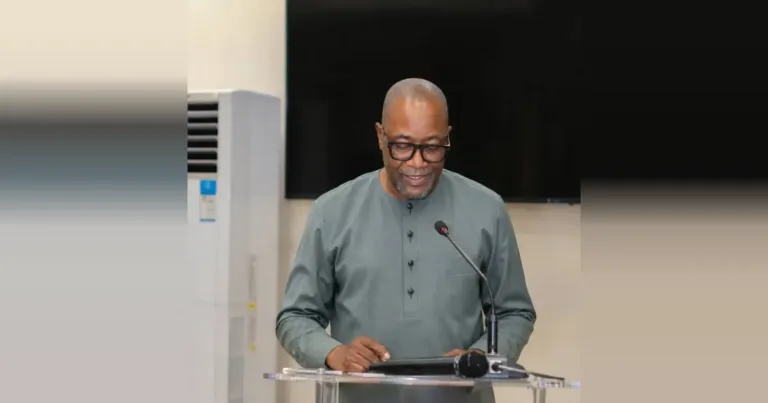
Dr. Mohamed Ibrahim Justice Ganawah is the Country Economist at the International Growth Centre and a Senior Lecturer at Fourah Bay College, University of Sierra Leone.