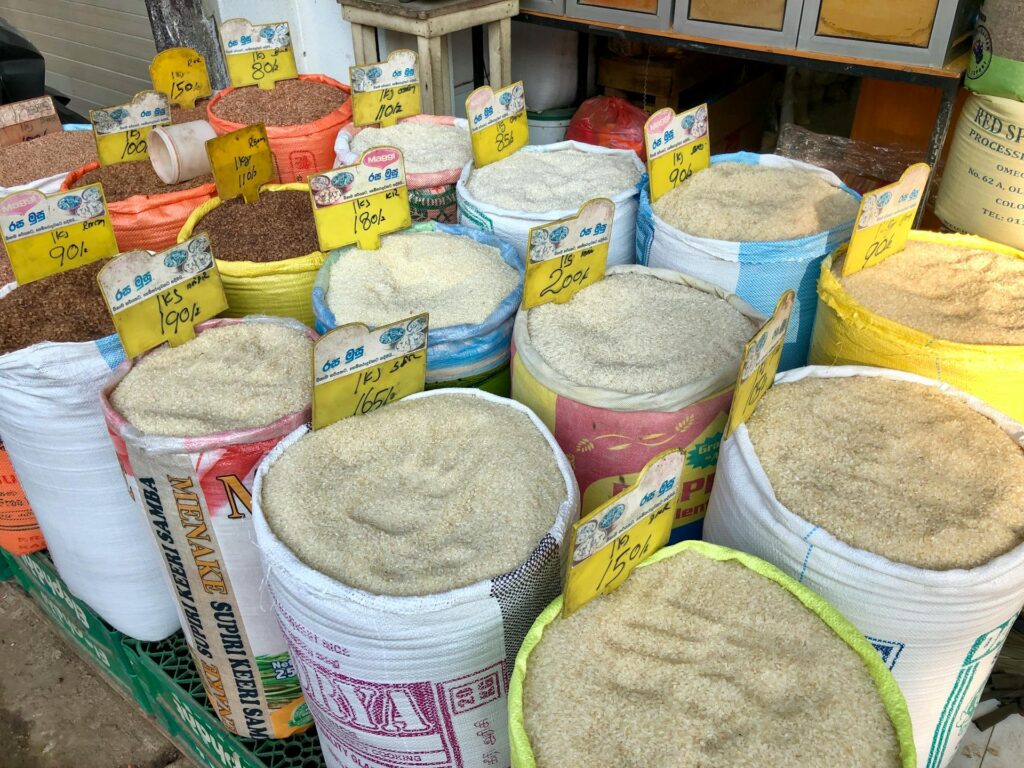
Rice remains the most consumed staple in Sierra Leone, but for many households it has become increasingly difficult to afford. Across markets in Freetown, Bo, Kenema, and Makeni, traders and consumers are reporting steady increases in the price of imported and local rice. For many families, the issue is no longer about preference, but survival.
This investigation examines why rice prices continue to rise despite repeated promises of market stabilization. Data collected from market traders across four districts shows that the retail price of a standard bag of rice has increased significantly over the past two years, with transportation, import dependency, fuel costs, and exchange rate pressure all contributing to the surge.
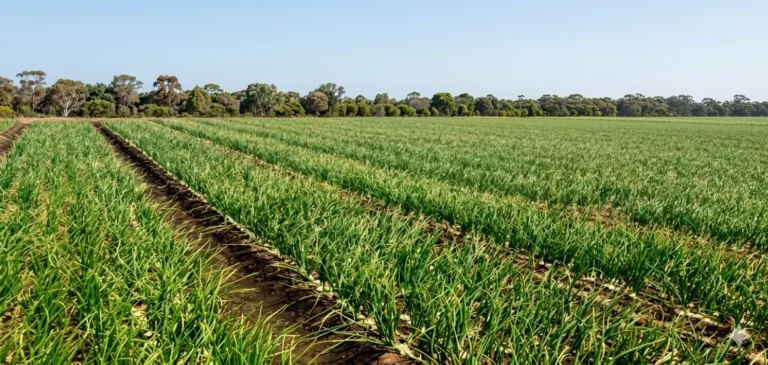
At the center of the problem is Sierra Leone’s heavy dependence on imported rice. While local production has improved in some farming communities, domestic supply remains too low to meet national demand. This leaves the country vulnerable to global supply disruptions, currency depreciation, and import markups.
Interviews with traders reveal another issue: price increases often begin long before goods reach the consumer. Importers cite shipping costs and dollar shortages. Transport operators point to fuel prices and poor roads. Market women, often blamed by buyers, say they are only passing on costs they cannot control.
Government interventions have so far produced limited relief. While public officials have repeatedly announced plans to boost local rice production and reduce food imports, implementation remains slow and fragmented. Agricultural subsidies have not reached enough farmers, and post-harvest losses remain high due to weak storage systems and poor rural infrastructure.
The data also reveals an unequal burden. Urban poor households spend a larger share of their income on food than wealthier households, making inflation especially punishing for low-income families. In many homes, rising rice prices now mean fewer meals, smaller portions, and reduced dietary quality.
This is not only a food story. It is a story about policy failure, import dependency, and the economic pressure facing ordinary Sierra Leoneans. As food inflation rises, the question is no longer whether prices will increase again — but how much more households can absorb before food insecurity deepens further.