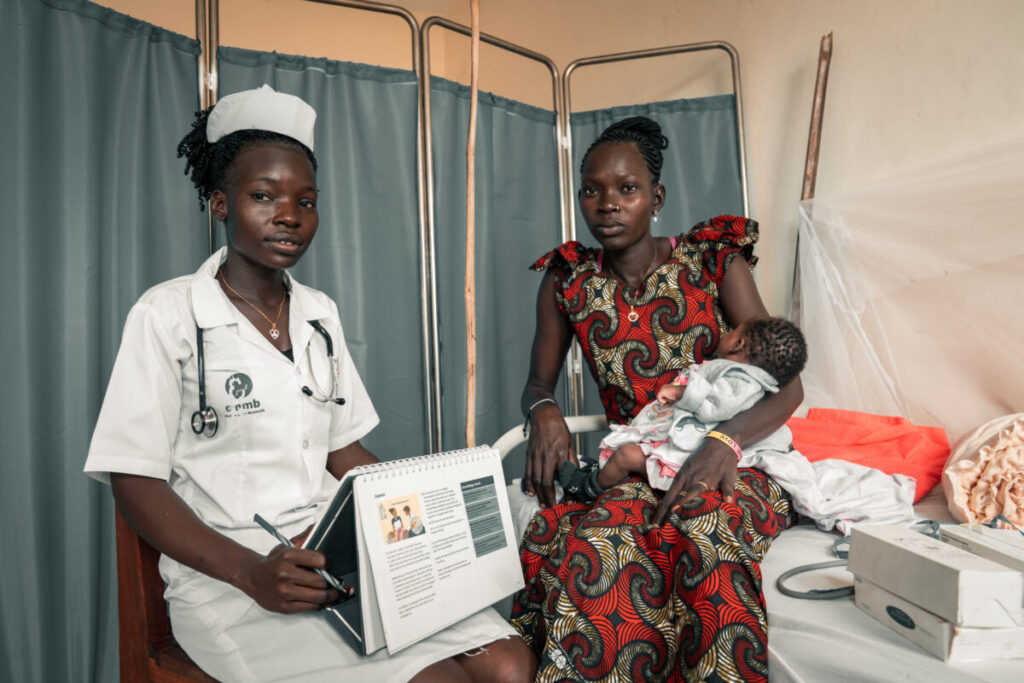
Patients across Sierra Leone continue to report a familiar frustration at public hospitals: they arrive with prescriptions but leave without medicine. In many facilities, essential drugs are either unavailable, delayed, or informally redirected to private pharmacies.
This investigation looks at the growing gap between medicine procurement and medicine access in public hospitals. While annual allocations for essential drugs continue to be approved, patients and frontline health workers say shortages remain common in maternity wards, outpatient departments, and emergency care units.
Interviews with nurses and pharmacists suggest the issue is not always supply alone. Weak inventory systems, delayed deliveries, poor stock monitoring, and leakages within distribution chains all contribute to shortages. In some hospitals, medicines listed as supplied are reportedly unavailable on shelves within days.
The consequences are immediate. Patients who cannot afford private pharmacies are often forced to delay treatment, reduce dosage, or abandon prescriptions altogether. For pregnant women, children, and low-income patients, the risks are especially severe.
Health officials point to procurement delays, supplier bottlenecks, and funding constraints. But accountability remains weak. Public reporting on medicine distribution is limited, and hospital-level stock transparency is often absent.
At its core, this is not only a health system problem. It is a public accountability problem. When essential medicine is funded but unavailable, the real cost is paid by patients who cannot afford alternatives.