By Lawrence Williams
For women who have ever felt a lump in their breast and wondered what it might mean, the hardest part can sometimes be the uncertainty of not knowing where to go, whether they can afford a test, or what a diagnosis might mean for their future.
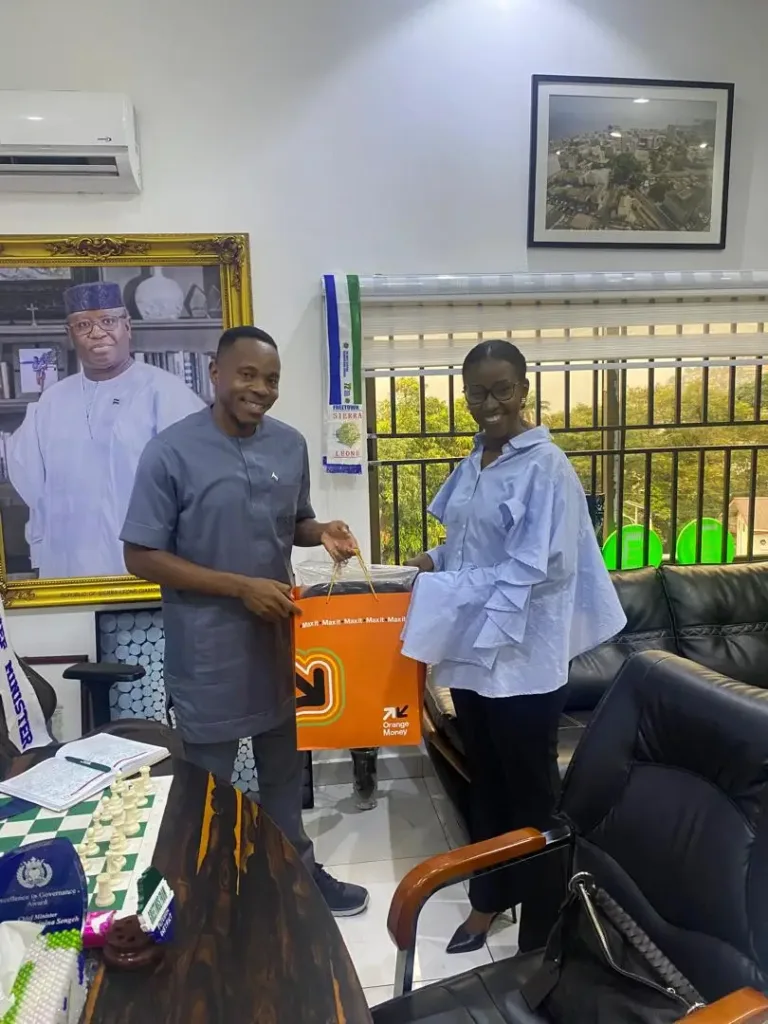
That uncertainty is what the Orange Foundation and Sierra Leone Commercial Bank (SLCB) are hoping to confront with a new nationwide breast cancer awareness, screening and treatment campaign targeting more than 5,000 women.
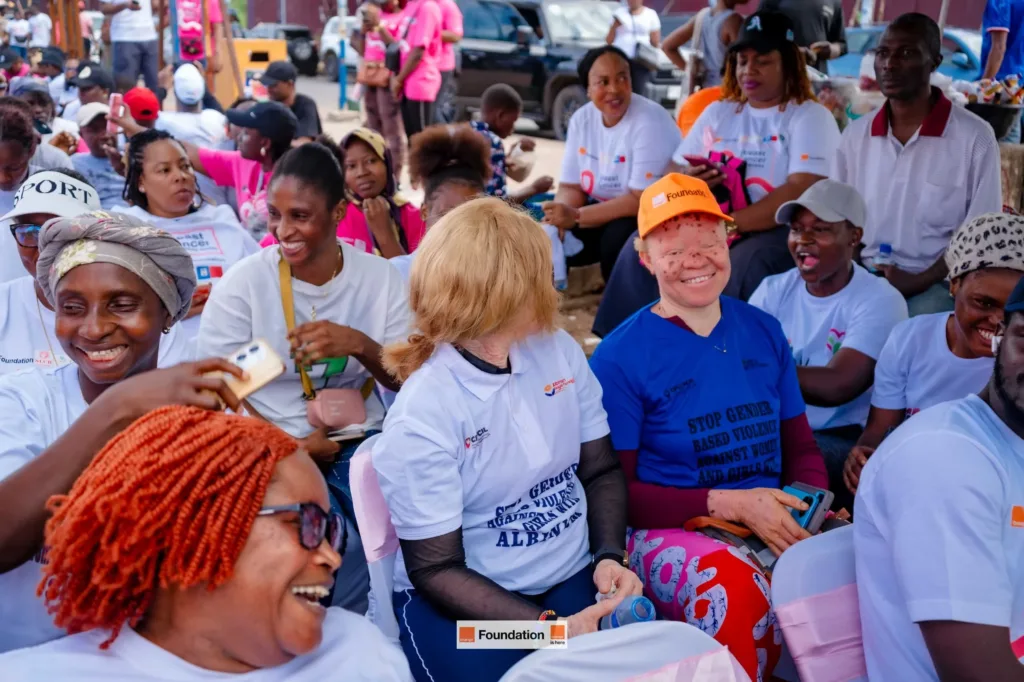
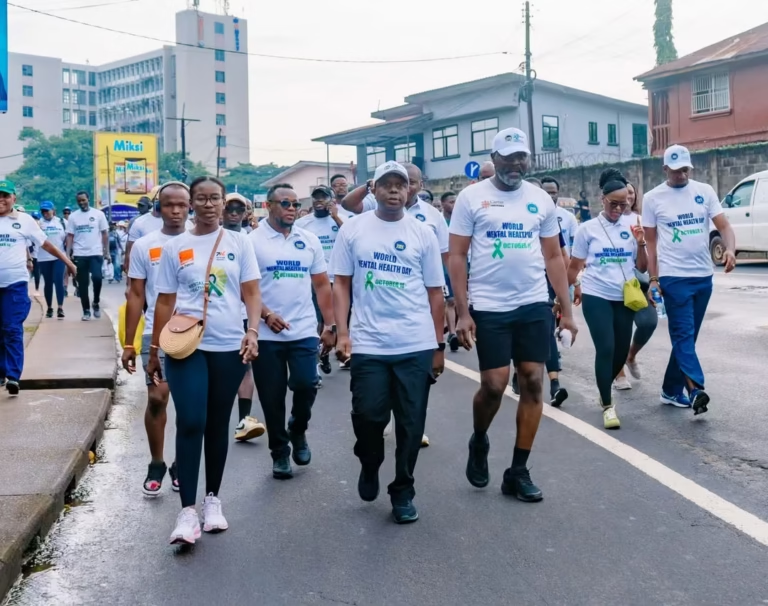
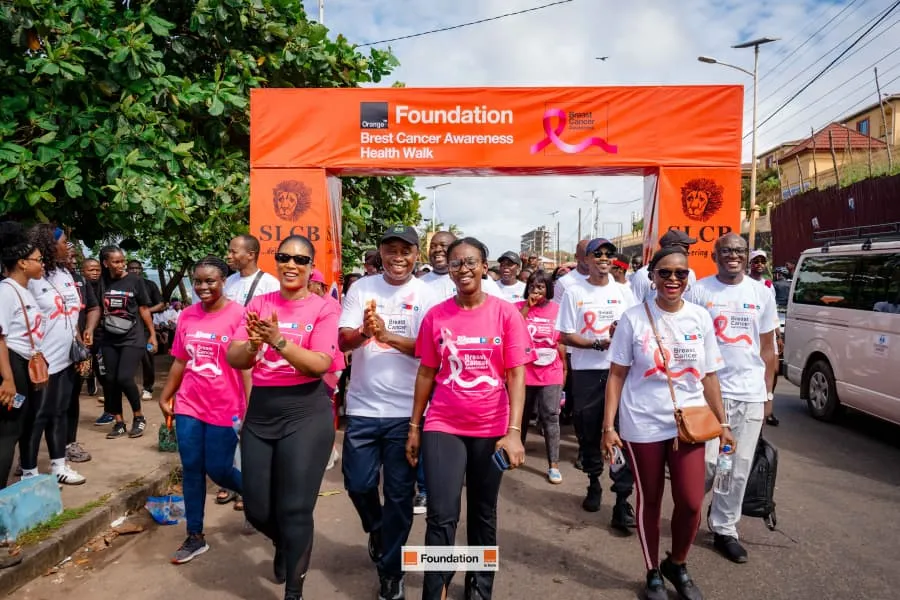
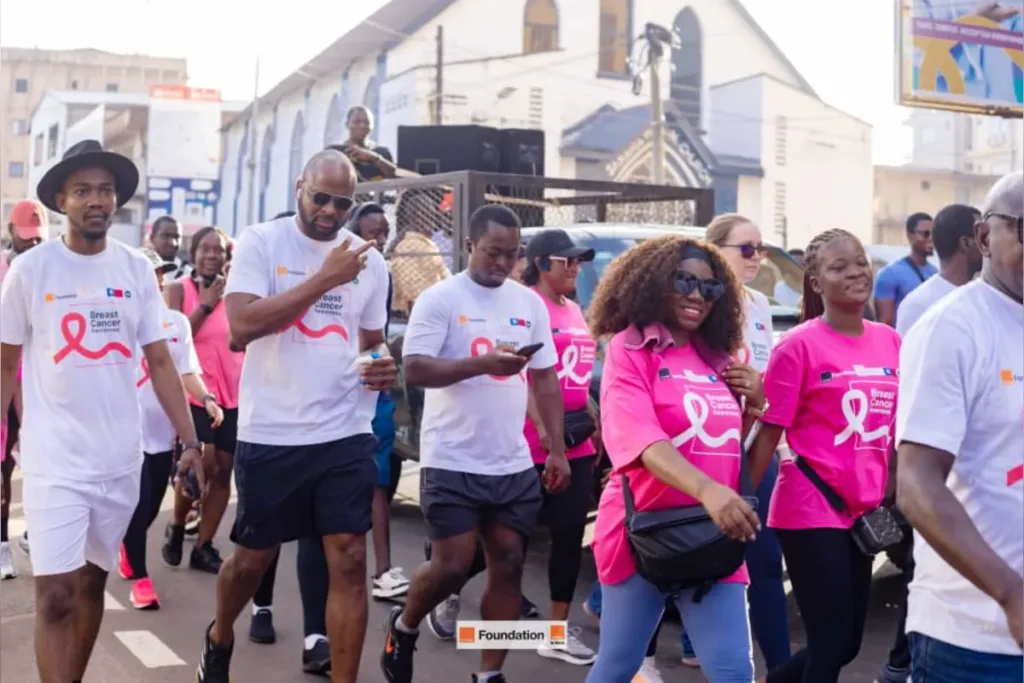
The campaign officially began on October 3, with an eight-kilometre awareness walk from Cotton Tree to Aberdeen in Freetown. Breast cancer survivors, healthcare workers, government officials, Orange employees, SLCB staff and members of the public joined the walk, turning the event into a show of solidarity with women affected by the disease.
Breast cancer remains the most commonly diagnosed cancer among women worldwide. The World Health Organization estimated that about 2.4 million women were diagnosed with breast cancer globally in 2024, with approximately 694,000 people dying from the disease. WHO says breast cancer occurs in every country and that early diagnosis linked to timely treatment is essential to improving outcomes.
The International Agency for Research on Cancer (IARC), the WHO’s specialised cancer agency, estimates that breast cancer accounted for 2.3 million new cases and over 666,000 deaths worldwide in 2022.
The challenge is particularly acute in countries where women may face delays in diagnosis and difficulties accessing specialised treatment. WHO’s African regional office notes that in many African countries, more than 70% of breast cancers are detected at a late stage, reducing treatment options and survival prospects.
For Sierra Leone, the Globocan 2024 fact sheet stated that breast cancer is the most commonly diagnosed cancer in the country, with an estimated 1,409 new cases and 665 deaths in 2024. Among women, breast cancer accounted for an estimated 36.7% of new cancer cases.
Those numbers come with an important caveat. IARC says Sierra Leone’s cancer incidence estimates are based on available estimates or registry data from neighbouring countries, while mortality estimates use modelled incidence-to-mortality ratios. In other words, they provide the best available picture of the country’s cancer burden but should not be mistaken for a complete national cancer registry.
Orange Foundation says its involvement in breast cancer awareness and treatment initiatives dates back to 2015.
According to them, more than 2,500 women received screening services in 2025, and this year’s campaign is designed to expand that reach to more than 5,000 women, particularly those who may have limited access to healthcare services.
Speaking at the launch, Orange Sierra Leone CEO Aïcha Touré said the campaign is ultimately about giving women an opportunity to find cancer early and receive appropriate care.
“Every life matters, and every woman deserves the opportunity to detect breast cancer early and receive the care she needs,” Touré said.
Her message reflects one of the central principles of modern breast cancer control, which emphasises early detection through screening. But screening alone is not enough.
A woman who receives an abnormal screening result needs access to clinical assessment, diagnostic testing and, where cancer is confirmed, timely treatment.
That can include surgery, radiotherapy, chemotherapy, hormone therapy, targeted medicines or other treatment depending on the type and stage of the cancer.
WHO’s global breast cancer initiative framework identifies early detection, timely diagnosis, and comprehensive breast cancer management as priorities for reducing breast cancer deaths. Its goal is to reduce global breast cancer mortality by 2.5% per year and avert 2.5 million breast cancer deaths by 2040.
Dr Isaac Olufemi Small, head of the oncology unit at the country’s main referral hospital, Connaught, urged women not to ignore changes in their breasts.
A new lump or thickening, a change in breast size or shape, dimpling or changes to the skin, changes in the nipple, unusual nipple discharge or swelling in the armpit can all warrant medical assessment.
The important point is that not every breast change is cancer. But unusual changes should not simply be ignored or self-diagnosed.
WHO says awareness of signs and symptoms can help people seek clinical evaluation earlier, even in settings where mammography-based population screening may not be practical.
Dr Small also reminded the public that breast cancer is not exclusively a women’s disease. Although uncommon, men can also develop breast cancer. WHO estimates that approximately 0.5% to 1% of breast cancers occur in men.
For breast cancer survivors who joined the Freetown walk, the campaign carried a meaning that statistics cannot fully capture. They were not walking simply as participants in a corporate health campaign; they were walking as living reminders that a breast cancer diagnosis does not necessarily mean the end of a person’s life.
With timely diagnosis and appropriate treatment, many women can live for years after breast cancer, and some can be successfully treated.
IARC has repeatedly highlighted the major differences in breast cancer survival between higher-income and lower-income settings, with unequal access to early diagnosis and timely treatment contributing to poorer outcomes in less-resourced settings.
For survivors, therefore, the campaign’s message of early detection is personal. It is about encouraging another woman to make the appointment she has been postponing. It is about persuading someone who has noticed a change not to wait until the symptoms become severe. And it is about helping women understand that seeking medical advice early can create more treatment options.
Prof. Dr Charles Senneh, deputy minister of health, described breast cancer screening as an important part of preventive healthcare. He said the government is working towards establishing a modern cancer treatment centre while expanding mammography services to other parts of the country.
“Women’s health is everybody’s business,” Senneh said, calling for stronger collaboration among government, private sector, healthcare providers, and development partners.
That collaboration is increasingly important because cancer care is not delivered by one institution alone, he said, and governments must strengthen health systems and diagnostic capacity. Healthcare professionals, too, must be equipped to identify and manage suspected cases. Communities need accurate information. And private companies and development partners can help close some of the gaps in access to screening, diagnosis and treatment.
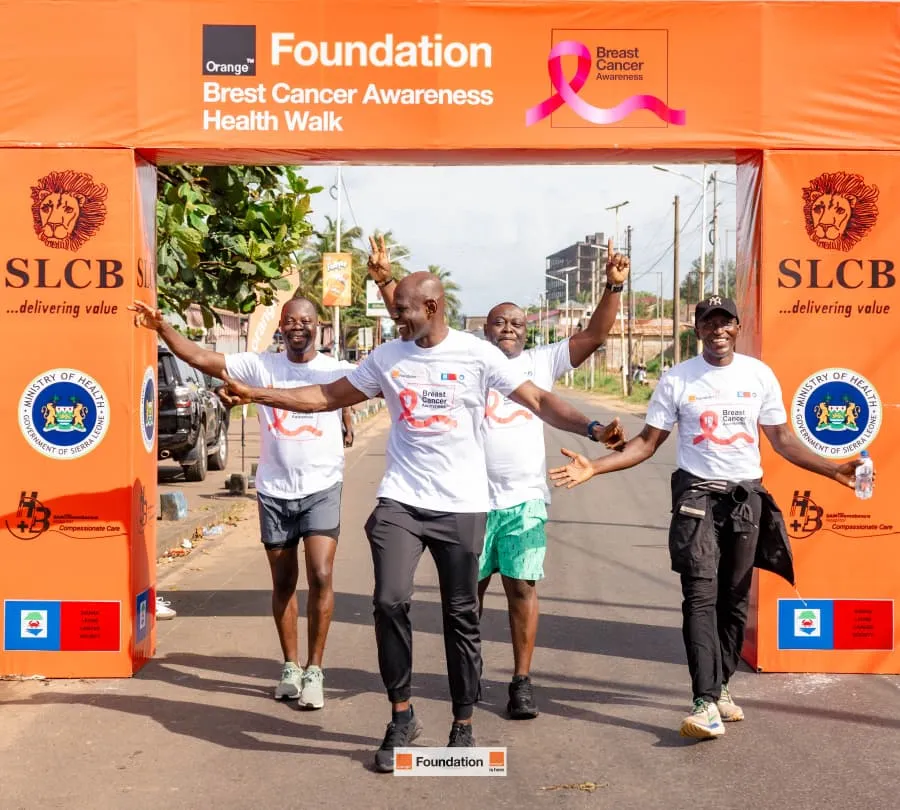
For SLCB manager Ibrahim Tito Sankoh, the bank’s involvement is part of its broader commitment to supporting initiatives that improve the wellbeing of Sierra Leoneans.
“The participation of our staff today reflects Sierra Leone Commercial Bank’s dedication to supporting causes that improve the lives of Sierra Leoneans,” Sankoh said, telling women to make regular health checks part of their approach to personal wellbeing.
Breast cancer awareness month is often associated with pink ribbons, walks and public campaigns. But for women in Sierra Leone, awareness has to lead somewhere. It has to lead to a clinic; to a clinical breast examination; to diagnostic imaging when indicated; to a biopsy when necessary. And, for women diagnosed with cancer, to treatment that begins without unnecessary delay.
That is where the success of the Orange Foundation-SLCB initiative will ultimately be measured.
Reaching 5,000 women would be significant. But the larger question is how many women with suspicious findings will successfully move through the healthcare system from early detection to confirmed diagnosis and treatment.
The campaign’s greatest promise, therefore, lies beyond the awareness walk. It lies in what happens when a woman who has never had access to screening finally gets the opportunity to be examined and, if something is found, receives the support she needs to take the next step.
For a woman living with fear, that next step can be the beginning of hope.
And for Sierra Leone, where breast cancer is now estimated to be the country’s most commonly diagnosed cancer, expanding access to early detection and treatment is not simply an awareness exercise. It is an investment in women’s lives.