By Lawrence Williams
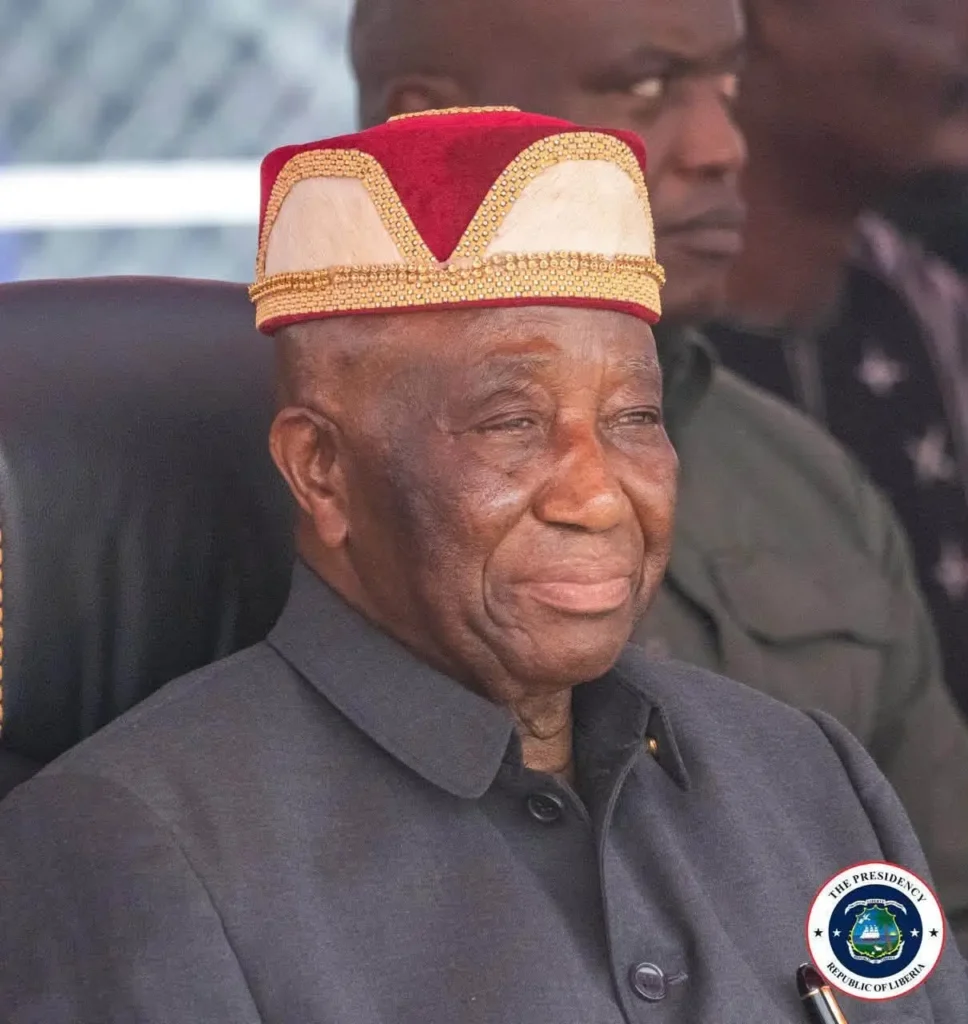
President Joseph Nyuma Boakai on Thursday dismissed senior government and security officials linked to recent cocaine seizures and ordered a full-scale investigation into these cases, stating that everyone connected to drug trafficking must be prosecuted in accordance with the law.
It follows an Executive Mansion review of investigation reports into a $19m cocaine burst at the Roberts International Airport (RIA) on June 8 and last week’s discovery of $317m high-grade cocaine at the premises of two foreign nationals near the capital, Monrovia.
“No public official or government employee who engages in criminal conduct would remain in public service,” President Boakai said. He added that they would “enforce the law without fear or favour,” and that any public official involved in narcotics trafficking or related criminal activities would be held accountable.
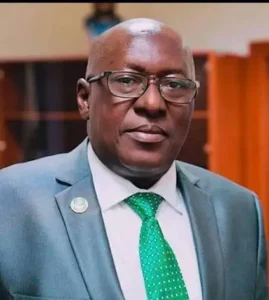
A total of 12 officials were either dismissed or suspended. Among them are Mark Egon Kuiah, the airport’s deputy director for operations; Johnny Bolar Dean, police commissioner in charge of Criminal Investigation, Intelligence and Interpol; Patrick Doe, deputy director for administration at the National Security Agency (NSA).
Two police officers got dismissed for transporting drugs using government vehicles, while three NSA agents and a procurement director at the government’s ministry of gender were referred to the justice department for prosecution.
Mohammed Gbowrah, director of airport security and Moses Jallah, deputy commander of the Liberia Drug Enforcement Agency stationed at the RIA, were also among them.
Authorities believe that these cases point to organised criminal networks operating across the region, using bribery and other corrupt practices to infiltrate state institutions.
The latest crackdown comes amid heightened global concerns about the West Africa corridor being increasingly used by transnational organised criminal networks to smuggle huge volumes of cocaine from Latin America to Europe.
In neighbouring Sierra Leone, authorities continue to face sustained international pressure to surrender Dutch fugitive Jos Leijdekkers, one of Europe’s most wanted drug traffickers. Leijdekkers has up to 10 criminal convictions and more than 100 years in prison sentences relating to large-scale cocaine trafficking and murder in both Netherlands and Belgium. International reports say Leijdekkers was having intimate affairs with the president’s daughter and using that connection to expand his cocaine trafficking network, which has been linked to major international drug bursts in Spain, Germany, and other countries.
For the Liberian people, President Boakai’s decision demonstrates a strong political will to withstand the growing influence of transnational criminal organisations. But much more than that, it highlights the administration’s commitment to dismantle narcotics networks, strengthen national security and protect their country’s international reputation.