
In an increasingly interconnected world, not all important stories fall neatly into traditional categories such as politics, business, or technology. Many developments span multiple sectors or represent emerging trends that are still evolving. These “other” stories often provide unique insights into the broader dynamics shaping societies and economies.
Across Sierra Leone and beyond, communities are experiencing rapid changes driven by a mix of social, economic, and cultural factors. From grassroots initiatives to unexpected innovations, these stories highlight the resilience and adaptability of people in the face of uncertainty.
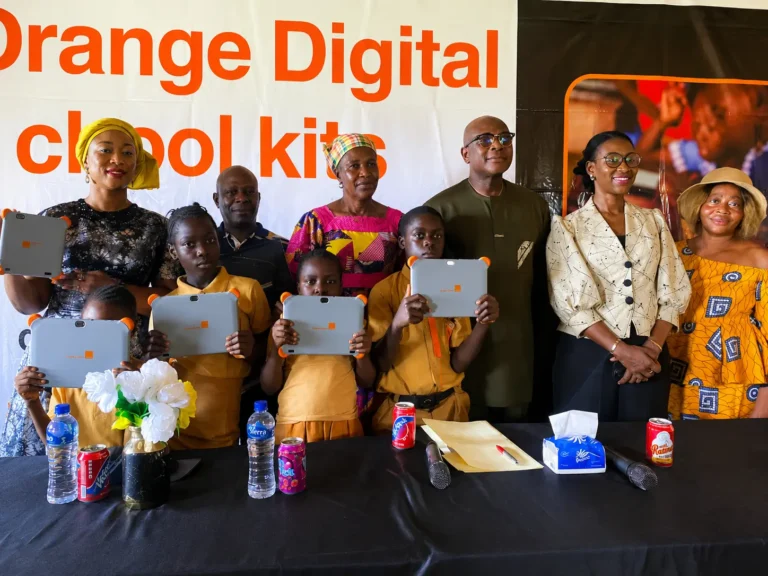
One notable trend is the rise of community-driven solutions to local challenges. In many regions, citizens are coming together to address issues such as waste management, education access, and local infrastructure. These initiatives, although small in scale, often have a significant impact on the communities they serve.
At the same time, global influences continue to shape local realities. Cultural exchanges, digital connectivity, and migration patterns are redefining how people interact and share ideas. This has led to the emergence of hybrid identities and new forms of collaboration that transcend traditional boundaries.
Another important aspect of these general stories is their ability to shed light on underreported issues. While major headlines often dominate the news cycle, there are countless stories that remain overlooked despite their importance. Bringing attention to these topics helps create a more balanced and inclusive narrative.
Media organizations play a crucial role in capturing these diverse perspectives. By covering a wide range of topics, they ensure that audiences receive a comprehensive understanding of current events. This approach not only informs the public but also encourages critical thinking and engagement.
Experts believe that the future of journalism will increasingly rely on flexibility and adaptability. As new challenges and opportunities arise, the ability to cover a broad spectrum of issues will be essential for maintaining relevance and credibility.
In conclusion, the “Others” category serves as an important space for stories that do not fit into predefined categories but are nonetheless vital to understanding the world. By highlighting these narratives, news platforms can offer a more holistic view of global developments and ensure that no important story is left untold.