When the 2025 WASSCE results were released, the numbers told a troubling story. But behind those numbers are real lives. Thousands of students across Sierra Leone fell short in English Language, a subject that often determines whether a young person can continue their education, secure a job, or fully participate in society.
For many families, this is not just an exam issue. It is a barrier to opportunity.
English is the language of instruction in schools, the gateway to university admission, and a basic requirement in most workplaces. When students struggle with it, the consequences ripple far beyond the classroom. It affects households, communities, and ultimately the country’s development.
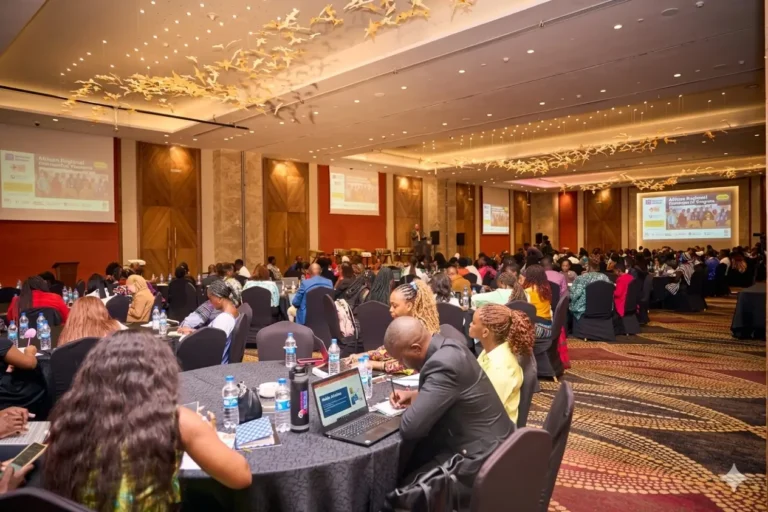
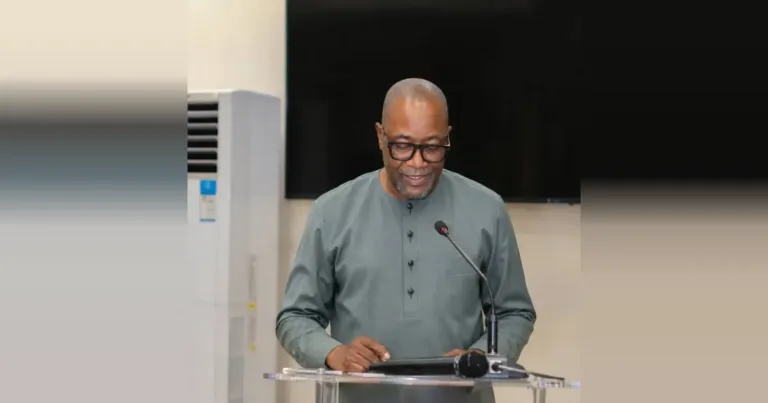
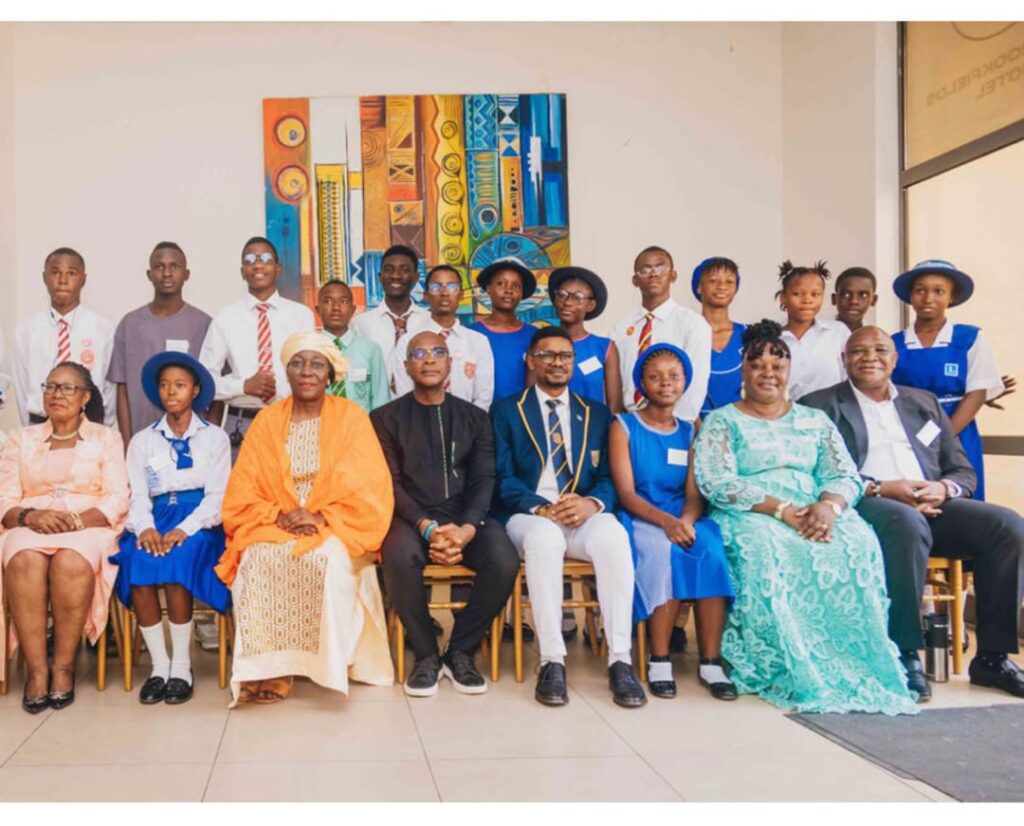
Recognizing the urgency, the Ministry of Basic and Senior Secondary Education (MBSSE) convened a national conference in Freetown in March 2026, bringing together education officials, teachers, traditional leaders, development partners, and students. The goal was simply to understand why so many students are failing English and agree on what must change. What emerged from that meeting was a clearer picture of a long-standing problem.
Experts pointed out that the crisis does not begin in senior secondary school. It starts much earlier. Data shared at the conference revealed that as far back as primary school, many children struggle with basic reading skills. In fact, a past assessment showed that a vast majority of early-grade pupils could not recognize letter sounds, an essential building block for literacy. This means that by the time students take the WASSCE, many are already at a disadvantage.
Regional disparities add another layer to the problem. Some districts, particularly in the south, recorded significantly lower pass rates, highlighting inequalities in access to quality teaching and learning materials, and support systems. Even in better performing areas, results showed that no region is immune.
For students who passed other subjects but failed English, the situation is especially frustrating. Many find themselves “stranded,” unable to progress to tertiary education despite otherwise strong performance. For these young people, one subject becomes a roadblock to their future.
In response, the government says it is working on new pathways that would allow such students to continue their education while improving their English skills. If implemented effectively, this could ease pressure on thousands of candidates each year.
The conference also outlined a broader plan to strengthen early reading programs, provide remedial support for struggling students, improve teacher training, and use data to track progress more closely. But plans alone will not solve the problem.
Teachers on the ground often face overcrowded classrooms, limited resources, and heavy workloads. Students, particularly in rural areas, may lack access to books, quiet study spaces, or even consistent schooling. Without addressing these realities, reforms risk falling short.
There is, however, growing recognition that education is a shared responsibility. Some private sector organizations and development partners have begun supporting literacy programs, teacher training, and digital learning initiatives. These efforts, if sustained and expanded, could help bridge gaps, especially in underserved communities.
Still, the scale of the challenge requires more than isolated interventions. It demands consistent investment, community involvement, and accountability at every level of the system.
For parents, the issue is deeply personal. For students, it is about their future. And for the country, it is about building a workforce capable of driving growth and innovation.
The decline in English pass rates is more than a statistic; it is a warning. But it is also an opportunity. If the right lessons are taken and meaningful action follows, Sierra Leone can begin to close the literacy gap and ensure that no child is locked out of opportunity because of language.
The question now is not whether the problem is serious. It is whether the response will be strong enough to match it.