Climate change is one of the most pressing challenges facing Africa today. Despite contributing the least to global greenhouse gas emissions, the continent is disproportionately affected by its consequences.
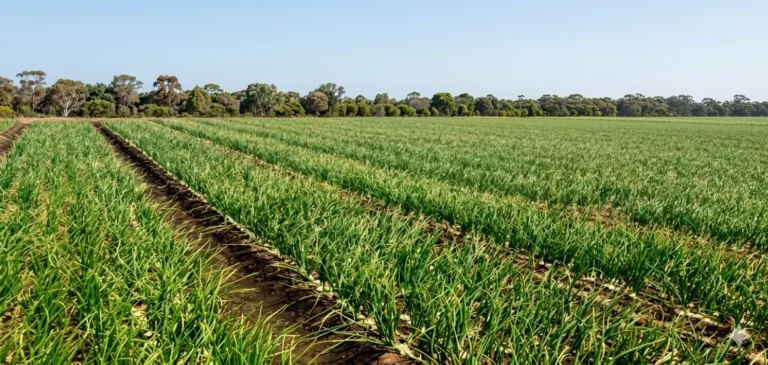
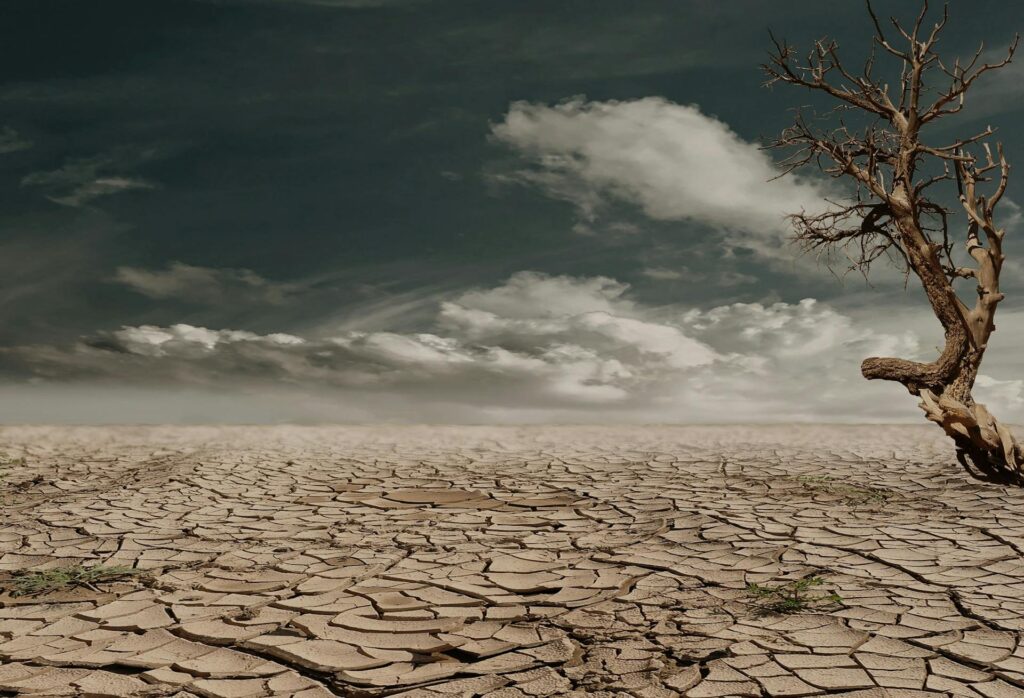
Agriculture, which employs a large portion of the population, is particularly vulnerable. Changes in rainfall patterns, prolonged droughts, and extreme weather events are affecting crop yields and food security. This has significant implications for both livelihoods and economic stability.
Water scarcity is another critical issue. Many regions are experiencing reduced access to clean water, leading to health problems and increased competition for resources. Urban areas are also facing challenges as rapid population growth puts pressure on existing infrastructure.
In response, African countries are adopting various adaptation strategies. Investments in climate-resilient agriculture, renewable energy, and sustainable infrastructure are gaining momentum. Solar energy, in particular, is becoming a viable solution for many communities.
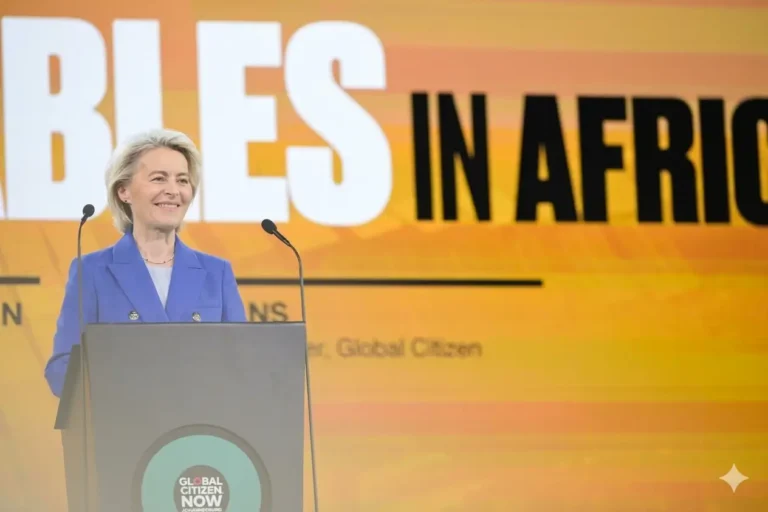
International support plays a crucial role in these efforts. Funding from global climate initiatives and partnerships with developed nations are helping African countries implement necessary changes.
However, more needs to be done. Stronger policies, regional cooperation, and increased investment are essential to effectively মোকাবিলা climate change.
Ultimately, addressing climate change is not just an environmental issue but an economic imperative for Africa’s future.