By Lawrence Williams
The Netherlands is increasing diplomatic pressure on the European Union to impose sanctions on Sierra Leone after the collapse of bilateral talks for the extradition of the Dutch cocaine kingpin Jos Leijdekkers.
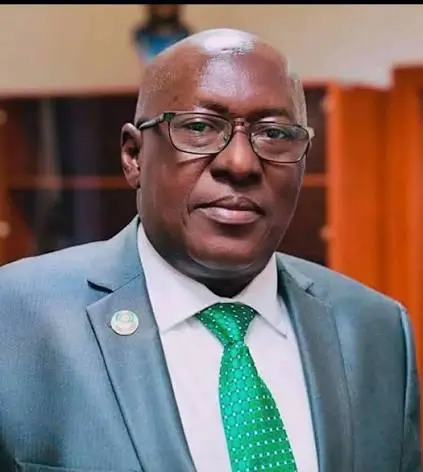
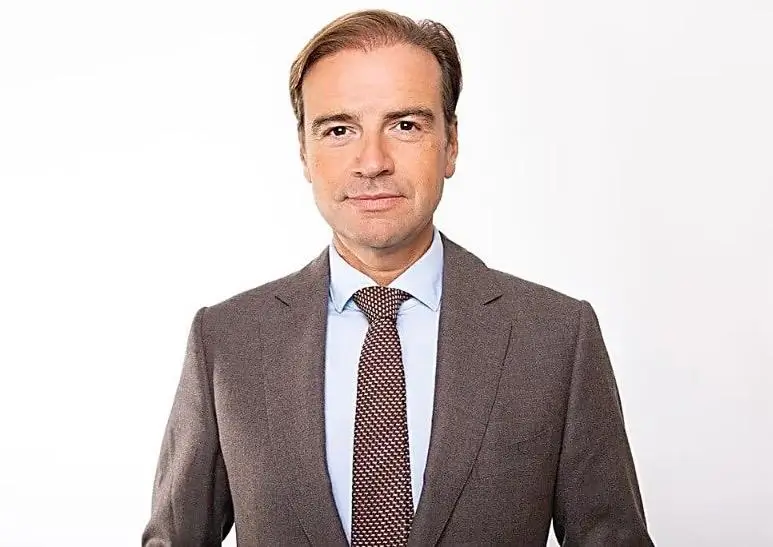
In a recent move, Malik Azmani, chairman of a centre-right conservative-liberal political party in the Netherlands (VVD) and member of the European Parliament, accuses the small West African nation of allowing its territory to be used as a “safe haven” for convicted European criminals, including Dutch drug kingpin Jos Leijdekkers.
Azmani says the European Commission should deploy a sanction regime that would compel the Sierra Leonean government to act responsibly against criminal networks using the country as a logistical hub for cocaine trafficking into Europe and a refuge for EU fugitives, citing findings from the Global Organized Crime Index.
Findings indicate that Jos Leijdekkers, sentenced in absentia to a combined 80 year jail term in the Netherlands and Belgium for drug trafficking and murder, has been taking refuge in Sierra Leone since 2023, and was reportedly married to the president’s daughter.
Dutch authorities say that he oversees large-scale cocaine trafficking operations that generate hundreds of millions of dollars annually, although no official estimates have been independently verified.
Malik Azmani cited the United Nations Convention against Transnational Organized Crime, including provisions relating to extradition under Article 16, which Sierra Leone is a signatory to but has failed to cooperate with EU member states seeking the extradition of individuals wanted for prosecution.
In a correspondence addressed to the European Commission, Azmani urged the bloc to deploy sanctions mechanisms and suspend a €352 million development assistance allocated to Sierra Leone under the NDICI–Global Europe programme for the 2021–2027 period.
“The Commission has financial leverage, but is not using it,” Azmani stated, arguing that existing EU development assistance lacks specific conditions tied to international law enforcement cooperation.
He further argued that commitments made during the EU–Sierra Leone Political Partnership Dialogue, chaired by President Julius Maada Bio in December 2025, have yet to translate into concrete action. During that meeting, both sides pledged to strengthen cooperation in combating drug trafficking and transnational organised crime.
Last month, Spanish authorities reported the seizure of 30 tonnes of cocaine aboard a vessel linked to Freetown port. The Sierra Leonean authorities, however, strongly denied any connection to the shipment.
The Global Organized Crime Index has increasingly identified Sierra Leone as a significant transit point for cocaine trafficking routes from West Africa to Europe.
The Leijdekkers case has already strained diplomatic relations between Sierra Leone and the Netherlands. Dutch Justice Minister David van Weel previously described it as “bizarre” for international partners to continue supporting a country harbouring one of the world’s most wanted drug traffickers.
For now, Azmani argues that the European Commission must make use of all diplomatic and financial tools at its disposal to pressure Sierra Leone to extradite drug traffickers wanted by EU member states, including the possible suspension of development funding under the NDICI–Global Europe framework.