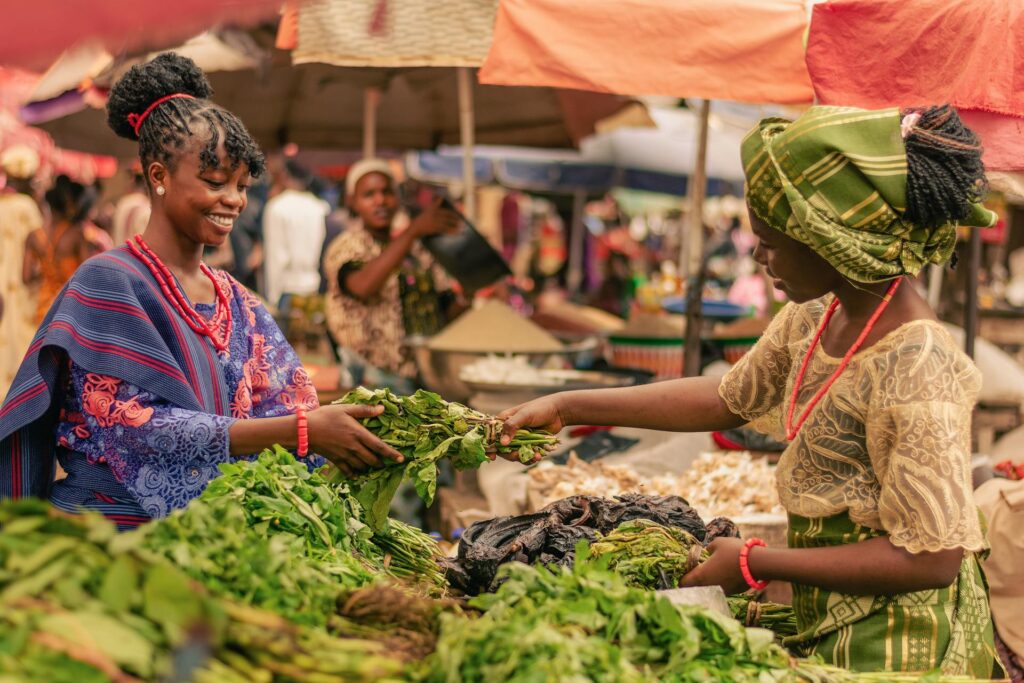
Before sunrise, they are already on the move. In towns and villages far from the capital, women carry produce, arrange stalls, negotiate prices, and keep local trade moving long before most communities fully wake.
Across Sierra Leone’s provinces, rural markets are powered by women. They are traders, transport coordinators, lenders, food suppliers, and informal economists. Yet their work remains largely invisible in policy conversations about growth, trade, and economic resilience.
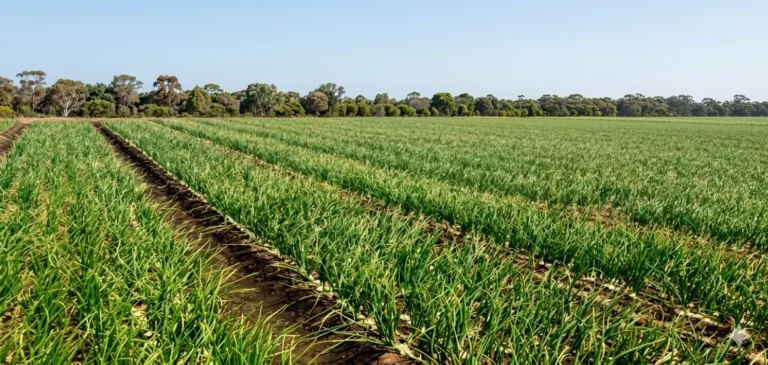
In district markets across Bombali, Kenema, Moyamba, and Kono, women dominate local commerce. They move vegetables from farms to town, supply household essentials, and sustain food circulation in communities where formal retail systems barely exist.
For many, market work is more than livelihood. It is survival, family support, school fees, healthcare, and household stability. These women are not simply participating in the rural economy — they are holding it together.
Yet they work within fragile systems: poor roads, weak storage, rising transport costs, unpredictable weather, and limited access to credit. Their profits are small, but their role is enormous.
They rarely appear in official economic strategy. But in practical terms, they are among the most important economic actors in provincial Sierra Leone.
This is not only a story about trade. It is a story about women sustaining local economies where formal systems remain weak.