By Abdul M. Jalloh, Sahrfoa Matturie and John Dumbuya
A Fritong Post investigation has uncovered an illegal mining activity in the quiet rural community of Rosinth village located in Paki Masabong Chiefdom, Bombali District.
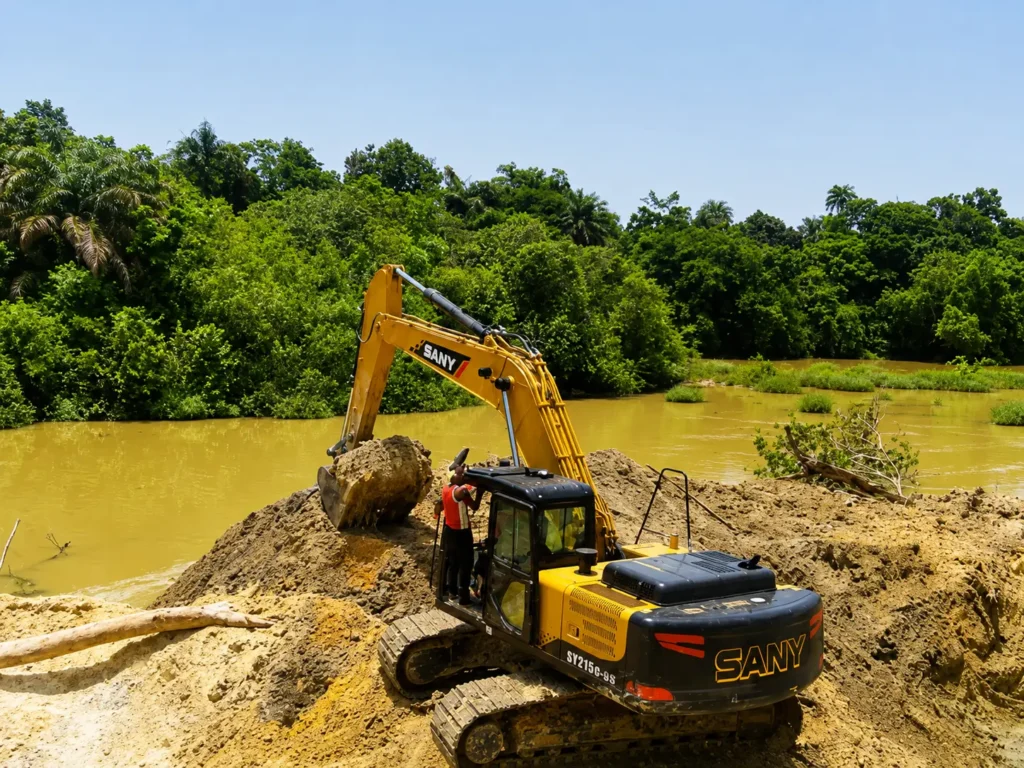
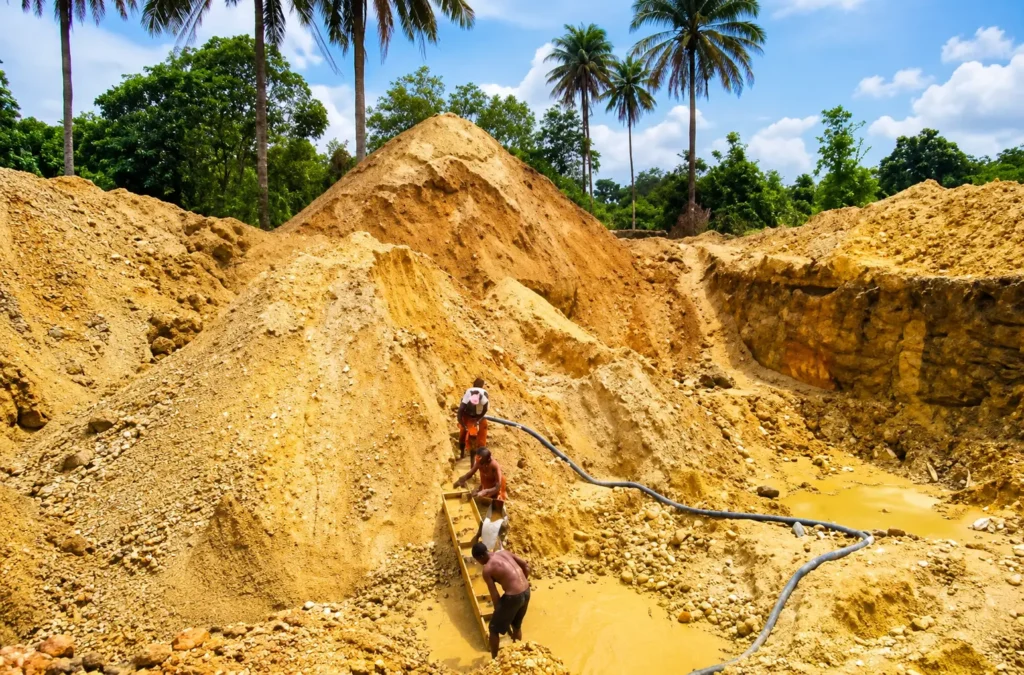
Our team observed ongoing heavy mechanised gold mining activities in the village, where several SANY hydraulic excavators were being used to dig deep into the ground, leaving extensive pits across the landscape. Water pumps and hoses were deployed to drain accumulated water from the excavated areas and to wash the mined sand.
The investigation further revealed that the mining appeared to be operating outside several key regulatory requirements, including the lack of an Environmental Impact Assessment (EIA) licence, the requisite mining permits, and formal agreements with the affected communities.
This has created a bit of tension among local stakeholders within the community, with the regent chief and local councillor almost at each other’s throat.
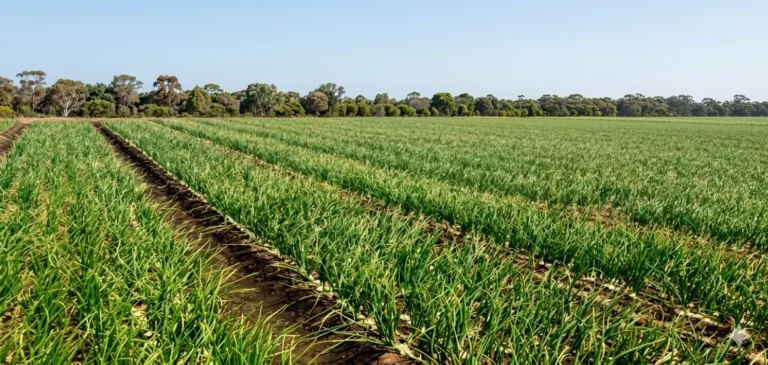
Those advocating for responsible, regulated practice complained that expansive tracts of once-productive communal land are systematically being degraded beyond recognition. The operations, which began sometime in May 2026, have quickly spread across large acres of land advocates fear could pose serious environmental problems for the community if left unchecked.
Councillor Ibrahim Fonzo Bangura said no community bylaws exist to minimise potential risks, and no adequate land reclamation measures have been presented to the community, citing mining and environmental laws requiring operators to rehabilitate mined-out fields through backfilling and restoration.
He stated that the dispute between him and the regent chief stemmed from his insistence that the mining operations be carried out in accordance with the Mines and Minerals Development Act, 2022.
“The mining at Rosinth is presently carried out without any environmental safeguard or regulatory approval,” Councillor Bangura said. “Such activities come and go, but if it is not properly regulated, the damage will last for generations.”
The investigation further revealed that much of the financing behind the mining operation comes from indigenous people of the community who are currently residing abroad.
Abu Kargbo from the National Minerals Agency (NMA) office in Makeni confirmed on June 9 that the activity started without prior regulatory approvals. He however stated that the people involved have commenced the process this week, with a local financier Chernoh Saidu Bah named the would-be license holder.
“I am just coming from demarcating the site today,” Abu Kargbo said. “”I now have to facilitate payment on their behalf before the licence could be available.”
Many residents who spoke on condition of anonymity expressed concern that the operations commenced without adequate consultation with the wider community. They also questioned whether the individuals conducting the mining activities possess the required licences, permits, and agreements required under the country’s mining laws.
Regent Chief Edward Sesay commented that disagreements surrounding the mining activities have contributed to tensions among local stakeholders, pointing accusing fingers at Councillor Ibrahim Fonzo Bangura. He acknowledged that mining without proper regulation and oversight could have long-term consequences for the chiefdom, including the destruction of valuable farmland and the loss of agricultural livelihoods. He however promised to ensure compliance with national mining and environmental regulations.
Video evidence obtained by the Fritong Post highlights what seems like an environmental onslaught occurring with absolute impunity, posing serious environmental risks to future agricultural production.
Councillor Bangura estimated that at least 30 to 50 acres of land have been completely decimated.
He said the NMA and the Environmental Protection Agency (EPA) could be failing in their responsibilities if the mining operations proceed without the necessary compliance with the legal, environmental, and community engagement requirements.
“I am not opposed to mining,” he said. “But I am seriously concerned about the absence of proper regulation and environmental safeguards.