By Lawrence Williams
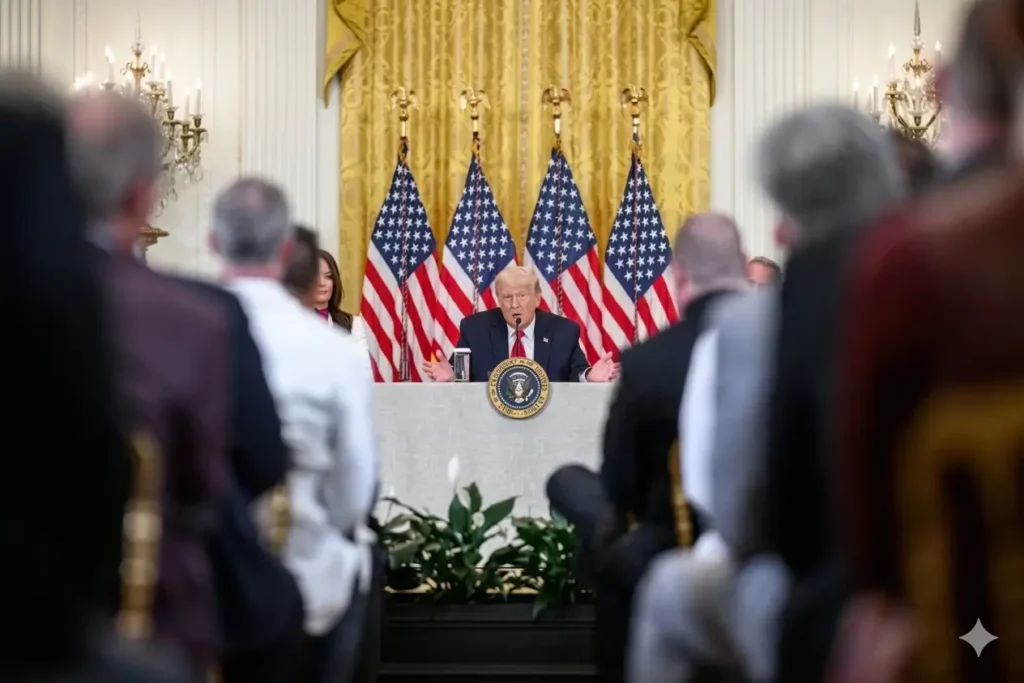
The Trump administration has formally withdrawn the United States from the World Health Organization (WHO), effectively ending all U.S. obligations and commitments to the global health body.
The White House said the decision was driven by what it described as the “WHO’s failures during the COVID-19 pandemic,” including allegations that the organisation obscured critical information, resulting in serious harm to the American people.
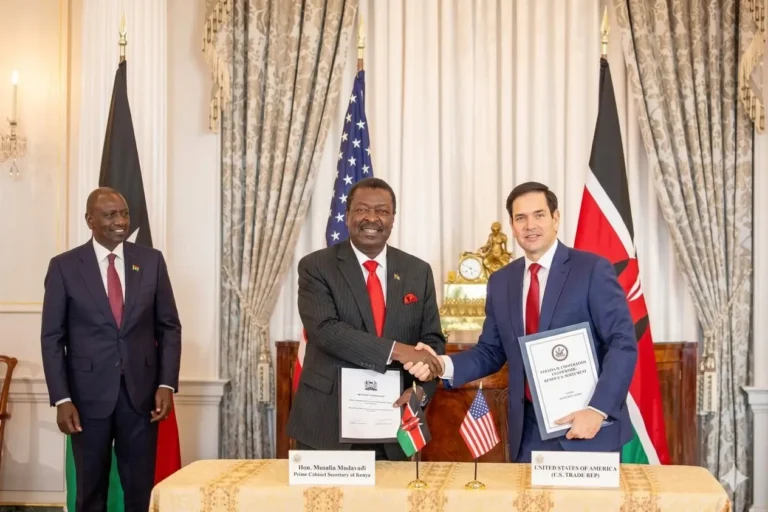
“All U.S. funding for, and staffing of, WHO initiatives has ceased,” a joint statement by Secretary of State Marco Rubio and Secretary of Health and Human Services Robert F. Kennedy Jr. confirmed.
The WHO has acknowledged the U.S. decision but expressed hope that Washington would reconsider.
“We hope the United States will reconsider and we look forward to engaging in constructive dialogue to maintain the partnership between the USA and WHO, for the benefit of the health and well-being of millions of people around the globe,” the organisation said in a statement.
The U.S. withdrawal from the WHO adds to a broader pullback from multilateral engagements, following Washington’s exit from 66 United Nations-affiliated bodies earlier this month.
Analysts say that the move could place millions of lives at risk by disrupting funding for major global health responses, while increasing pressure on the European Union and China to fill the resulting leadership and financing vacuum.