How Artificial Intelligence is Shaping Everyday Life

Table of Content

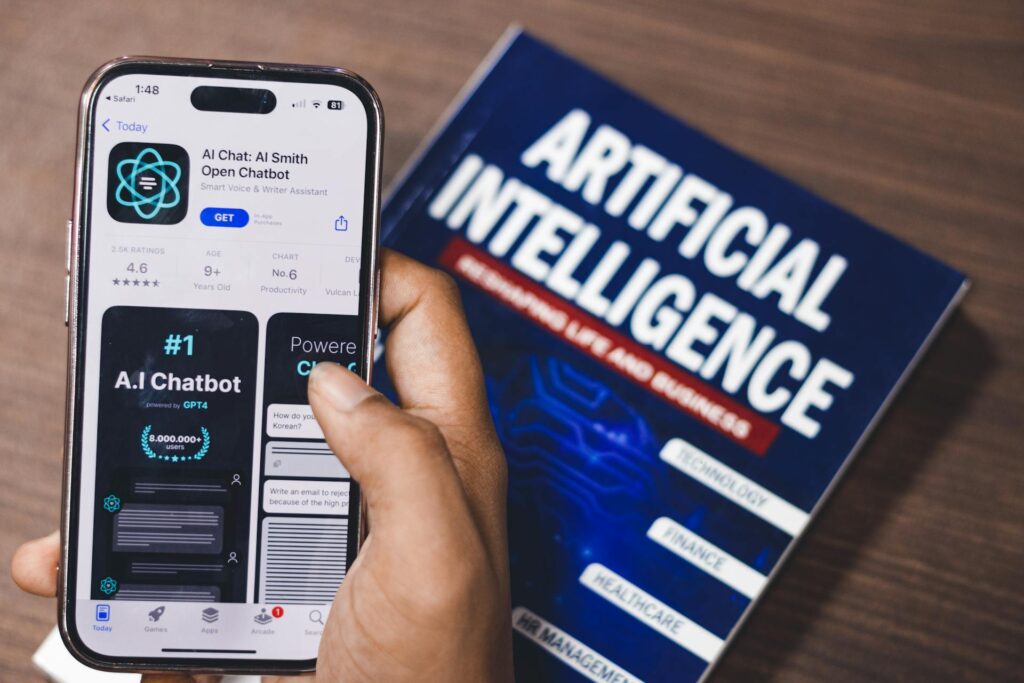
Artificial Intelligence (AI) is no longer a futuristic concept; it is a part of everyday life. From virtual assistants to recommendation algorithms, AI is transforming how people interact with technology.

One of the most visible applications of AI is in consumer technology. Smartphones, smart home devices, and online platforms use AI to personalize experiences. This has made technology more intuitive and user-friendly.

In healthcare, AI is being used to diagnose diseases, analyze medical data, and develop treatment plans. These advancements have the potential to improve patient outcomes and reduce costs.

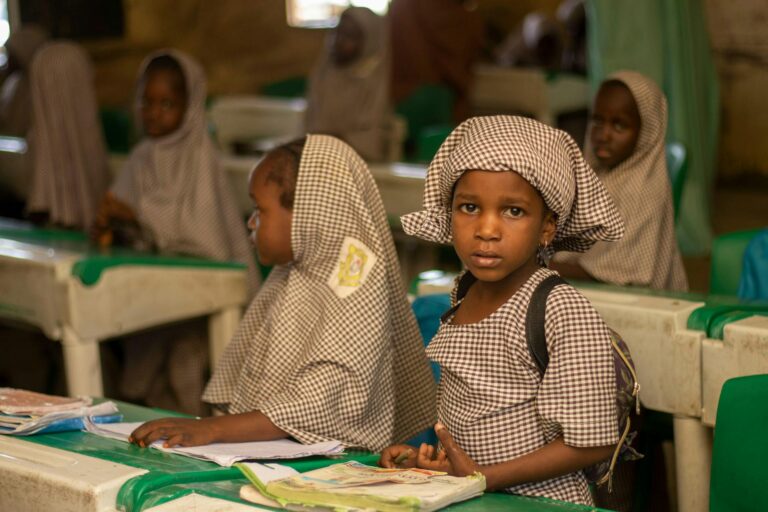
Education is also being transformed. AI-powered tools are enabling personalized learning experiences, helping students learn at their own pace. Teachers can use data insights to identify areas where students need support.

However, the rise of AI raises ethical concerns. Issues such as data privacy, bias, and job displacement are becoming increasingly important. Ensuring responsible use of AI is a major challenge for policymakers and developers.

Despite these concerns, the benefits of AI are significant. Increased efficiency, improved decision-making, and new opportunities for innovation are driving its adoption.

In conclusion, AI is reshaping society in profound ways. Balancing innovation with ethical considerations will be key to its long-term success.


FCDev

devteam.fc@gmail.com https://fritongpost.com

Recent News

Latest News

Trending

The Changing Role of Community in the Digital Age

The concept of community has undergone a significant transformation in the digital age. Traditionally, communities were defined by geographic proximity and shared experiences. Today, digital platforms have expanded the definition to include virtual connections. Online communities have become an integral part of modern life. Social media groups, forums, and digital networks allow individuals to connect...

Urbanization and Its Impact on Social Structures

Urbanization is transforming societies around the world. As more people move to cities in search of better opportunities, traditional social structures are evolving in significant ways. One of the most noticeable changes is the shift in family dynamics. Extended families living together are becoming less common, replaced by nuclear households. This change has implications for...

The Role of Education in Sustainable Development

Education is a fundamental pillar of sustainable development. It not only equips individuals with knowledge and skills but also empowers them to contribute to economic growth and social progress. In a rapidly changing world, education systems must adapt to meet evolving needs. One of the key aspects of education in development is accessibility. Ensuring that...

Infrastructure Development in Emerging Economies: Opportunities and Risks

Infrastructure development is widely recognized as a cornerstone of economic growth in emerging economies. Roads, bridges, ports, and energy systems form the backbone of a nation’s productivity, enabling trade, mobility, and industrial expansion. In recent years, many developing countries have accelerated infrastructure investments to boost growth and improve living standards. One of the main drivers...

Cultural Diversity in a Globalized World

Cultural diversity is a defining feature of the modern world. Globalization has brought people from different backgrounds closer together, creating opportunities for exchange and understanding. Diversity enriches societies by fostering creativity and innovation. Exposure to different perspectives can lead to new ideas and solutions. However, globalization also poses challenges. Cultural homogenization and loss of traditions...

Quick Links

Must Read

©2026- All Right Reserved. Designed and Developed by Fans Connector