The Role of Education in Sustainable Development

Table of Content

Education is a fundamental pillar of sustainable development. It not only equips individuals with knowledge and skills but also empowers them to contribute to economic growth and social progress. In a rapidly changing world, education systems must adapt to meet evolving needs.

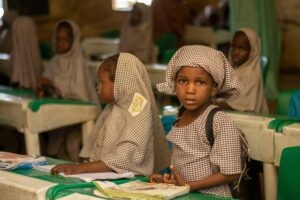
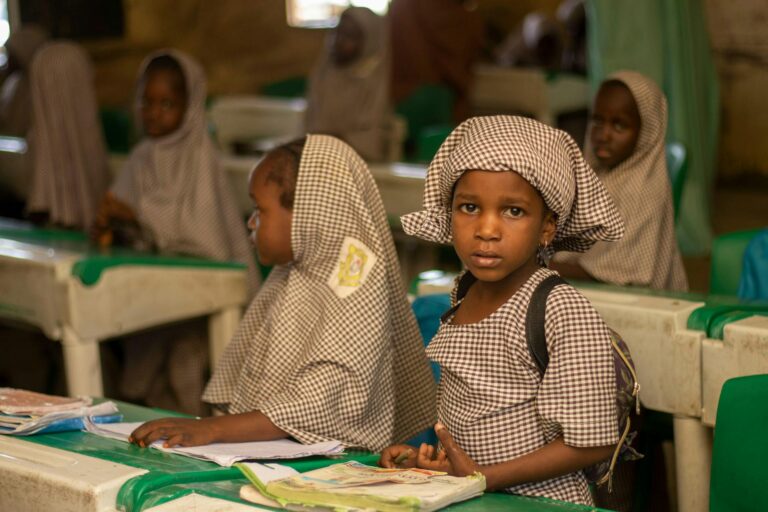
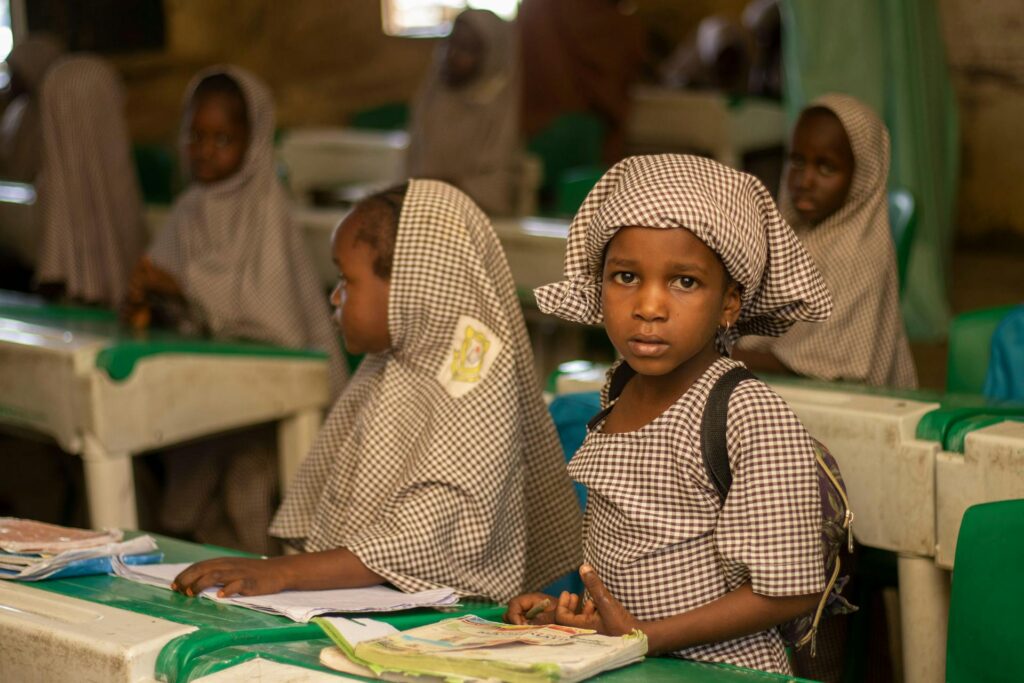
One of the key aspects of education in development is accessibility. Ensuring that all individuals, regardless of socioeconomic background, have access to quality education is essential. Governments and organizations are working to reduce barriers such as cost, distance, and gender inequality.

Curriculum relevance is another important factor. Traditional education systems often fail to align with modern job market requirements. Integrating practical skills, digital literacy, and critical thinking into curricula can enhance employability and innovation.

Education also plays a vital role in promoting sustainability. Awareness of environmental issues, responsible consumption, and social responsibility can be fostered through education. This helps create a more informed and proactive population.

Technology is revolutionizing education. Online learning platforms, digital classrooms, and educational apps are expanding access and improving learning experiences. However, the digital divide remains a challenge, particularly in rural areas.

Teachers are central to the success of education systems. Investing in teacher training and support is crucial for delivering quality education. Motivated and skilled educators can significantly impact student outcomes.

Despite progress, challenges persist. Limited funding, inadequate infrastructure, and policy gaps continue to hinder educational development in many regions.

Ultimately, education is a powerful tool for sustainable development. By investing in inclusive and relevant education systems, societies can build a more equitable and prosperous future.


FCDev

devteam.fc@gmail.com https://fritongpost.com

Recent News

Latest News

Trending

The Changing Role of Community in the Digital Age

The concept of community has undergone a significant transformation in the digital age. Traditionally, communities were defined by geographic proximity and shared experiences. Today, digital platforms have expanded the definition to include virtual connections. Online communities have become an integral part of modern life. Social media groups, forums, and digital networks allow individuals to connect...

Urbanization and Its Impact on Social Structures

Urbanization is transforming societies around the world. As more people move to cities in search of better opportunities, traditional social structures are evolving in significant ways. One of the most noticeable changes is the shift in family dynamics. Extended families living together are becoming less common, replaced by nuclear households. This change has implications for...

The Role of Education in Sustainable Development

Education is a fundamental pillar of sustainable development. It not only equips individuals with knowledge and skills but also empowers them to contribute to economic growth and social progress. In a rapidly changing world, education systems must adapt to meet evolving needs. One of the key aspects of education in development is accessibility. Ensuring that...

Infrastructure Development in Emerging Economies: Opportunities and Risks

Infrastructure development is widely recognized as a cornerstone of economic growth in emerging economies. Roads, bridges, ports, and energy systems form the backbone of a nation’s productivity, enabling trade, mobility, and industrial expansion. In recent years, many developing countries have accelerated infrastructure investments to boost growth and improve living standards. One of the main drivers...

Cultural Diversity in a Globalized World

Cultural diversity is a defining feature of the modern world. Globalization has brought people from different backgrounds closer together, creating opportunities for exchange and understanding. Diversity enriches societies by fostering creativity and innovation. Exposure to different perspectives can lead to new ideas and solutions. However, globalization also poses challenges. Cultural homogenization and loss of traditions...

Quick Links

Must Read

©2026- All Right Reserved. Designed and Developed by Fans Connector