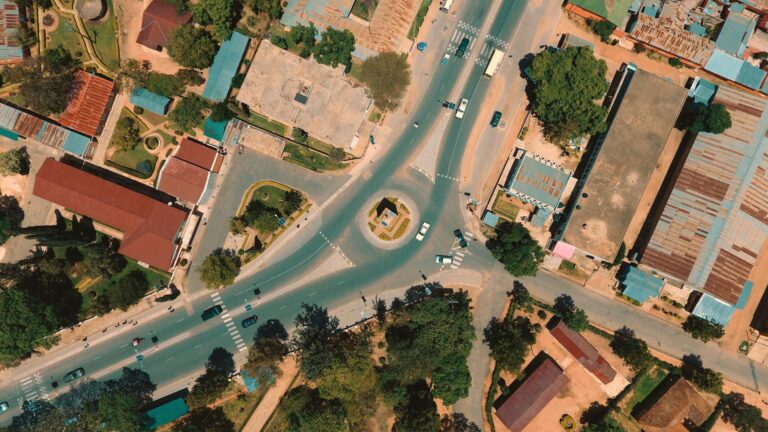
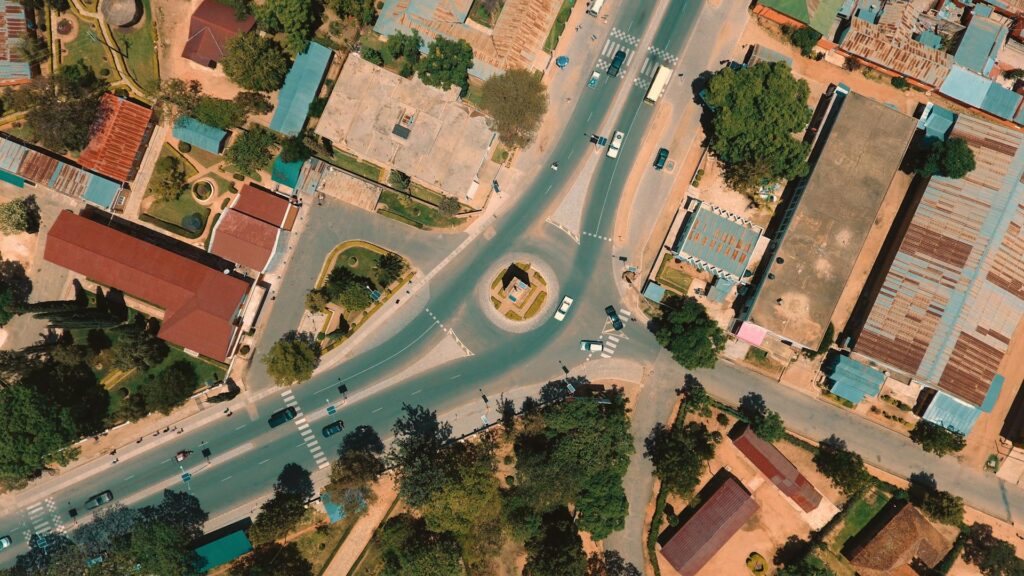
Infrastructure development is widely recognized as a cornerstone of economic growth in emerging economies. Roads, bridges, ports, and energy systems form the backbone of a nation’s productivity, enabling trade, mobility, and industrial expansion. In recent years, many developing countries have accelerated infrastructure investments to boost growth and improve living standards.
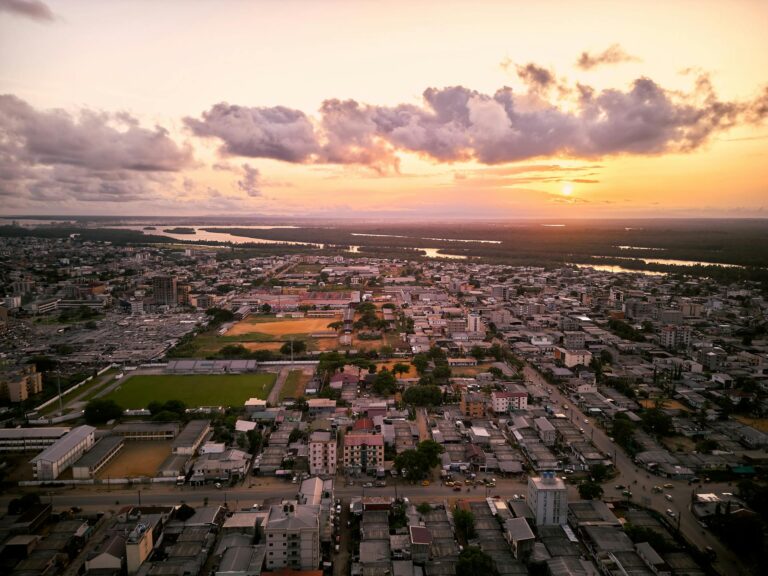
One of the main drivers behind this push is urbanization. As populations shift from rural to urban areas, the demand for efficient transportation, housing, and public services has increased significantly. Governments are under pressure to build cities that can accommodate growing populations while maintaining sustainability.
Foreign investment plays a crucial role in infrastructure development. Initiatives such as public-private partnerships (PPPs) have allowed governments to collaborate with private entities to fund and execute large-scale projects. These partnerships bring in not only capital but also technical expertise and efficiency.
However, infrastructure development is not without risks. Poor planning and corruption can lead to cost overruns, delays, and substandard construction. In some cases, projects fail to deliver expected economic benefits, resulting in financial burdens for governments.
Environmental concerns are also becoming more prominent. Large infrastructure projects can have significant ecological impacts, including deforestation, pollution, and displacement of communities. Sustainable planning and environmental assessments are essential to minimize these effects.
Technology is transforming how infrastructure projects are designed and managed. Smart infrastructure solutions, such as intelligent traffic systems and energy-efficient buildings, are improving efficiency and reducing environmental impact.
In conclusion, infrastructure development presents both opportunities and challenges for emerging economies. Success depends on strategic planning, transparency, and a commitment to sustainability.