Global supply chains are undergoing a major transformation as businesses adapt to an increasingly uncertain world. Disruptions caused by pandemics, geopolitical tensions, and climate-related events have exposed vulnerabilities in traditional supply chain models.
Companies are now focusing on building more resilient supply chains. This includes diversifying suppliers, investing in local production, and adopting advanced technologies for better visibility and control. The concept of “just-in-time” is gradually being replaced by “just-in-case” strategies.
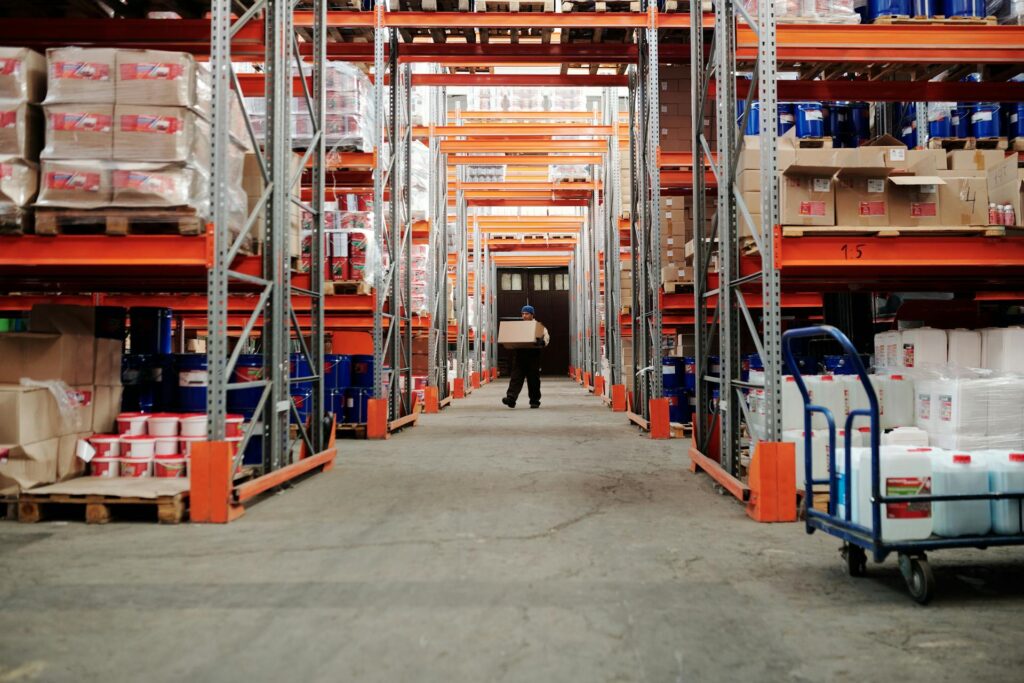
Technology is playing a key role in this transformation. Artificial intelligence, blockchain, and data analytics are helping businesses track shipments, predict disruptions, and optimize logistics. Automation is also improving efficiency in warehouses and manufacturing facilities.
Sustainability is becoming a priority. Consumers and regulators are demanding more transparency and ethical practices. Companies are being held accountable for their environmental impact and labor conditions across the supply chain.
However, these changes come with costs. Restructuring supply chains requires significant investment, and smaller businesses may struggle to keep up. Balancing efficiency with resilience remains a challenge.
Governments are also influencing supply chain dynamics through trade policies and regulations. Protectionist measures and shifting trade agreements are reshaping global commerce.
Ultimately, the future of supply chains will depend on adaptability. Businesses that embrace innovation and prioritize resilience will be better positioned to navigate uncertainties.