
By Lawrence Williams
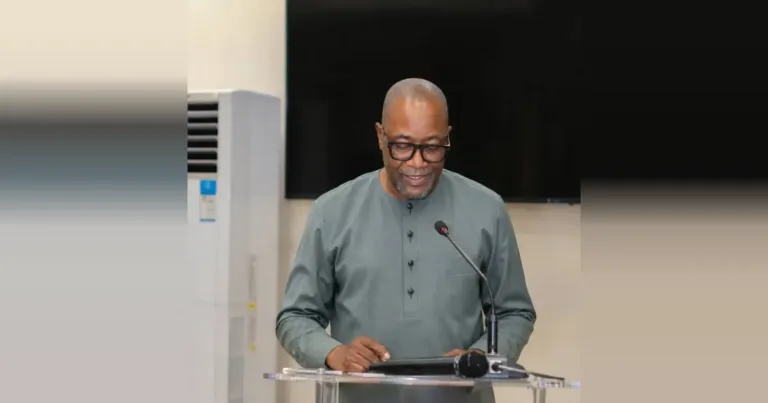
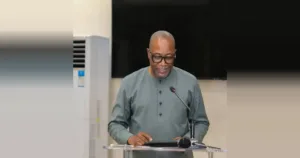
A Federal High Court in Abuja has sentenced Nigeria’s former Minister of Power, Saleh Mamman (photo), to 75 years imprisonment in absentia after convicting him on multiple counts of fraud and money laundering involving $24.6 million.
The conviction followed a 12-count charge brought against Mamman by Nigeria’s anti-graft agency, the Economic and Financial Crimes Commission (EFCC).
Delivering judgment on Wednesday, Justice Omotosho ruled that Mamman be immediately arrested and ordered the forfeiture of his Abuja properties to the federal government.
Prosecutors from the EFCC told the court that Mamman, during his tenure as Minister of Power in 2019, conspired with ministry officials and private companies to divert public funds. The court heard that the total sum involved amounted to ₦33.8 billion, equivalent to approximately $24.6 million, which was laundered through indirect transactions.
The ruling marks one of the most significant convictions involving a former senior government official in Nigeria’s ongoing anti-corruption campaign.