By Rose Aba Akafo
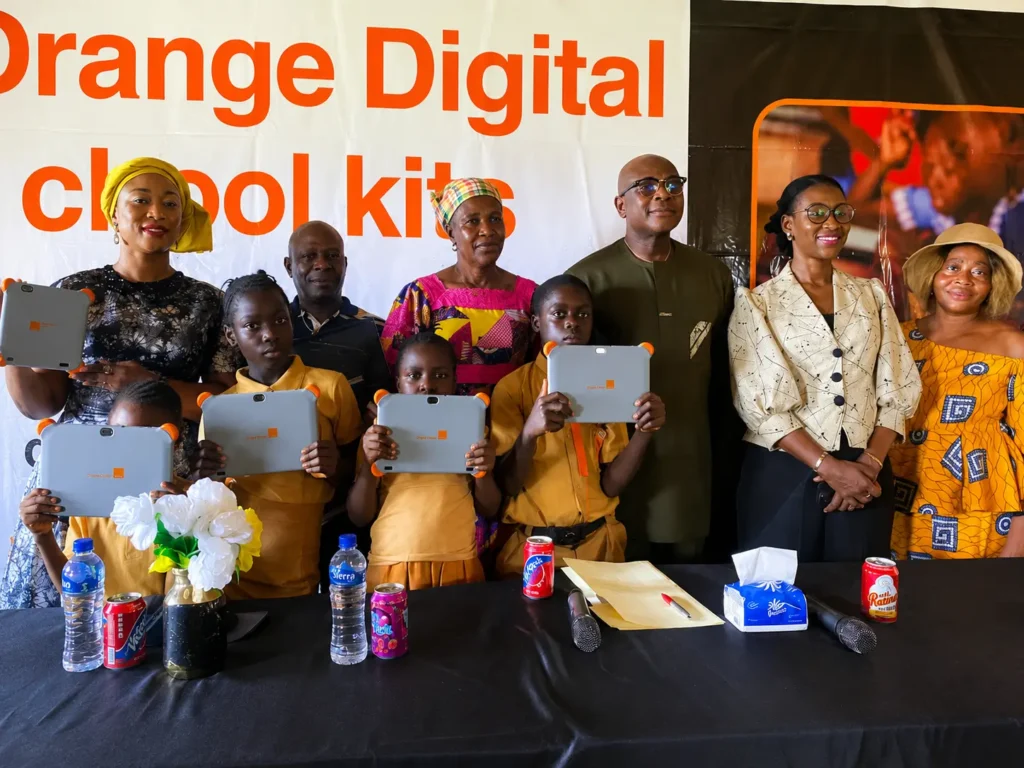
The Orange Foundation has donated digital learning kits to the Rural Education Community Primary School in York, as part of the telecom foundation’s ongoing nationwide commitment to expanding access to digital education and bridge the technological divide in rural communities.
The donation aims to provide pupils with early exposure to digital learning tools, helping them develop essential technological skills required to thrive in an increasingly digital world.
Speaking during the presentation ceremony, Orange Foundation Director Annie Wonnie Katta said the initiative was structured to ensure geographical location does not limit a child’s access to modern education. She reaffirmed the foundation’s commitment to equipping schools with interactive resources that prepare students for future global opportunities.
Welcoming the delegation, the school’s head teacher Christiana Macarthy expressed deep appreciation for the intervention, describing it as a major milestone that will significantly enhance both teaching and classroom engagement.
York headman Julrick Pratt lauded Orange Sierra Leone for what he described as “a sustainable corporate social responsibility model,” noting that the company’s footprint in the community spans across both the education and health sectors.
“It is very, very timely, this particular donation Orange has brought to our children,” Pratt said, adding that the community had long anticipated such support. He assured the company that strict measures would be put in place by the school authorities to handle the equipment with care.
Samuel Frewy, chairman of the Community Teachers Association (CTA), shared these sentiments. He thanked the telecom operator for prioritizing their institution, noting that the tools will completely transform the learning experience for the pupils.
Delivering her remarks, Orange CEO Aicha Toure stated that education is the bedrock of national development.
“Investing in education means investing in the future of the country,” Toure stated.
Further, she said more than 30,000 pupils across six districts in Sierra Leone have benefitted from the Orange digital school kits initiative. She adds that this contributes to a global network where over 500,000 pupils utilize these digital kits across Orange’s operational areas.
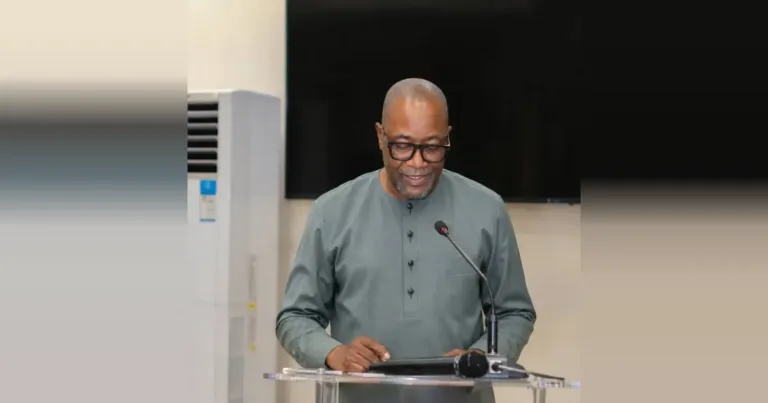
In his keynote address, Minister of Basic and Senior Secondary Education Conrad Sackey noted that while York is one of the underserved communities in the Western Area Rural District. He commended Orange Sierra Leone for consistently stepping in to support the government’s efforts in improving education.
“We believe that our kids must be educated and be educated properly,” Minister Sackey affirmed.
He encouraged the beneficiaries to fully embrace the digital tools, reminding them that technological literacy is the key to unlocking endless future possibilities.
The deployment of these digital kits stands as a core component of Orange Foundation’s broader strategy to promote digital inclusion, equity, and quality primary education across Sierra Leone.