By Lawrence Williams
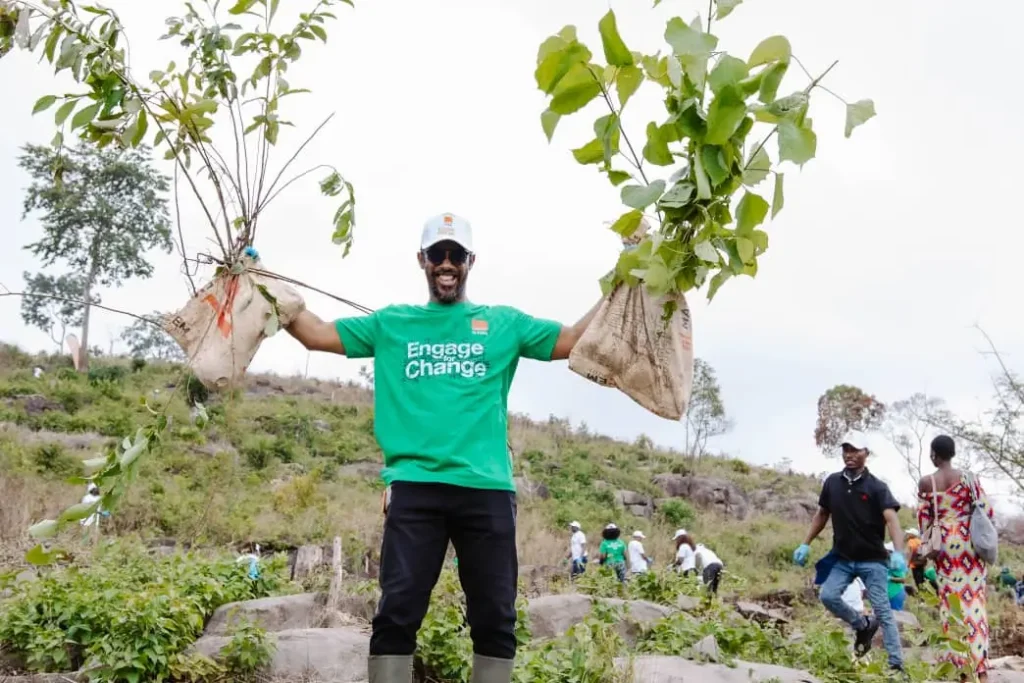
Orange Sierra Leone and Tacugama Chimpanzee Sanctuary have planted 5,000 trees across six acres of degraded forest within Sierra Leone’s Western Area Peninsula National Park, marking World Environment Day 2026 with one of the country’s largest corporate-led reforestation initiatives.
The exercise, held on June 5, brought together more than 180 Orange employees, environmental advocates, conservation experts and government officials in a collective effort to restore a fragile ecosystem increasingly threatened by deforestation, urban encroachment and climate change.
Beyond a symbolic act of tree planting, the initiative highlights growing concerns over the future of the country’s forests, biodiversity and water security. The park serves as a critical ecological buffer for Freetown, protecting wildlife habitats and safeguarding water catchment systems that supply hundreds of thousands of residents.
Speaking during the event, Orange Sales Director Alpha Bundu said environmental protection must become a shared responsibility across all sectors of society.
“World Environment Day reminds us that nature is not a resource we can take for granted. As a company, we believe our responsibility extends beyond telecommunications. We have a duty to contribute to environmental protection and sustainable development,” he said.
Bundu said his company’s environmental commitment goes beyond a single day of action. Through its “Engage for Change” campaign, Orange has undertaken tree-planting initiatives, beach-cleaning exercises and other environmental programmes aimed at promoting sustainability.
According to him, the company previously planted more than 1,000 trees in the Tacugama area, many of which continue to thrive today.
“We want this effort to inspire other institutions to take similar action. Protecting the environment is not a task for governments alone. It requires collaboration between businesses, communities and conservation organisations,” he added.
The reforestation effort comes at a critical moment for Sierra Leone’s most important protected forest. Conservationists say that rapid urban expansion and illegal encroachment are accelerating habitat destruction within and around protected areas, placing immense pressure on biodiversity and essential natural resources.
Bala Amarasekaran, founder of Tacugama Chimpanzee Sanctuary, is worried about the scale of environmental degradation occurring inside the national park.
Standing among newly planted saplings, Amarasekaran pointed to the surrounding landscape, saying it had once been covered by dense tropical forest.
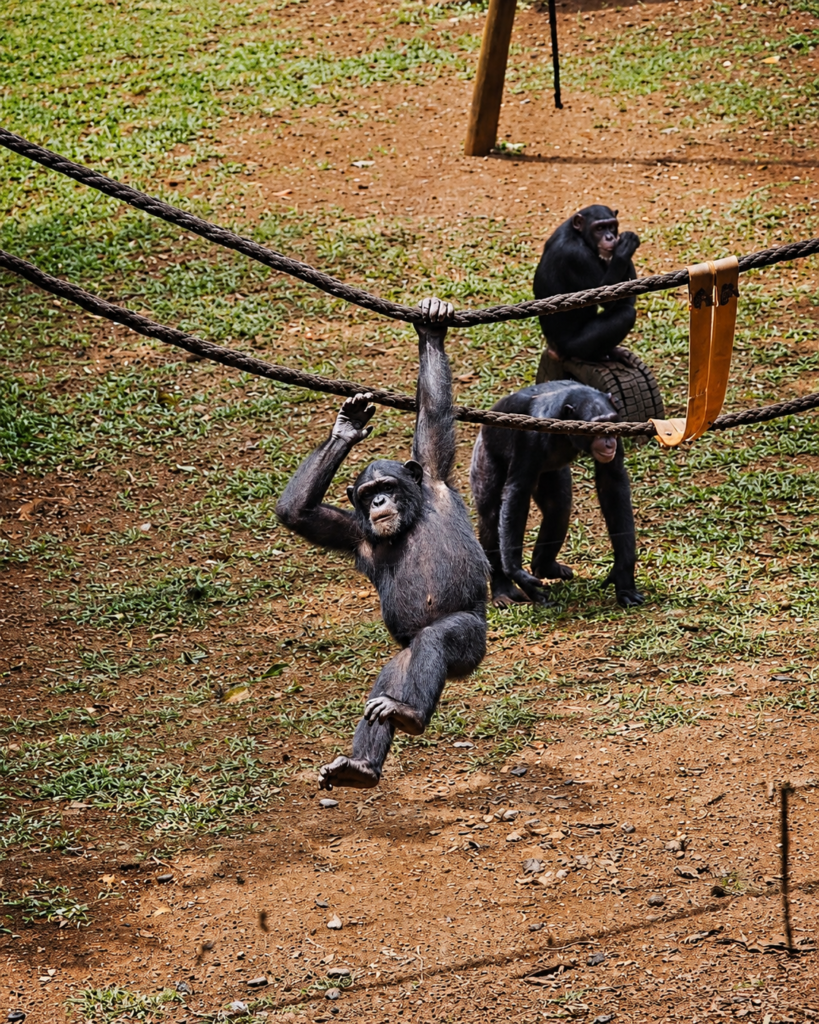
“We are standing inside a national park. Ideally, there should already be a forest here. The fact that we are planting trees in this location demonstrates how much destruction has taken place over the last few years,” he said.
Amarasekaran furthered that the continued loss of forest cover threatens the water catchment systems that sustain Freetown, while also increasing vulnerability to environmental disasters such as landslides and flooding.
Environmental experts have long linked deforestation in the Western Area Peninsula to heightened disaster risks. The devastating 2017 mudslide that claimed more than 1,000 lives remains a painful reminder of the consequences of unchecked environmental degradation.
Amarasekaran stressed that the goal of the initiative extends far beyond planting trees.
“This is not simply about putting 5,000 seedlings into the ground. It is about restoring ecosystems, protecting water sources and ensuring that future generations inherit a healthy environment,” he said.
Amarasekaran believes that there are robust environmental and wildlife protection laws already in place, but the challenge lies in enforcing those laws.
“If people are encroaching on protected areas, the issue is not the absence of laws. The laws exist. What is needed is stronger enforcement and greater political commitment to protecting our natural heritage,” he stated.
Responding to these concerns, Mima Yema Sobba-Stephens, deputy minister of Environment and Climate Change, said the government was working toward establishing a specialised environmental court to strengthen accountability and improve enforcement of environmental regulations. She said her ministry is collaborating with the judiciary, the Ministry of Lands and other agencies to address environmental violations more effectively.
She also praised the partnership between Orange Sierra Leone and Tacugama, describing it as an investment in the country’s environmental future.
“The future of our children, our nation and indeed the world depends on how effectively we protect the environment today,” she said, adding that forests are crucial for absorbing carbon emissions, improving air quality, protecting biodiversity and supporting climate resilience.
“Planting a tree is an investment in life itself. Every tree planted today contributes to a healthier and more sustainable future,” she added.
Orange’s Chief Climate Officer Danetta Younge said the strong participation of company employees reflected a growing culture of environmental responsibility within the organisation.
“On this World Environment Day, we reaffirm our commitment to protecting our planet through sustainable action and collective responsibility. More than 180 employees volunteered to plant 5,000 trees, demonstrating our dedication to restoring nature, combating climate change and building a greener future,” she said.
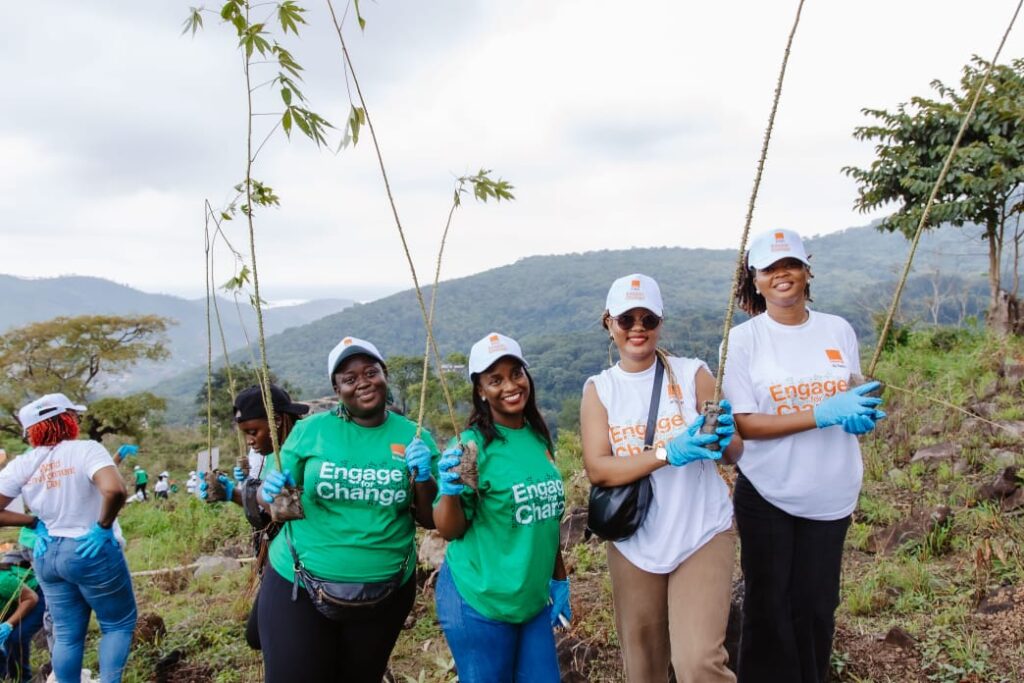
As thousands of young trees take root within the national park, conservationists say their survival will depend on long-term protection, monitoring and community support.
The 5,000 seedlings planted on World Environment Day may represent only a fraction of what has been lost, but environmental advocates hope they will serve as a catalyst for broader action, transforming awareness into lasting conservation and ensuring that one of Sierra Leone’s most important natural landscapes remains protected for generations to come.