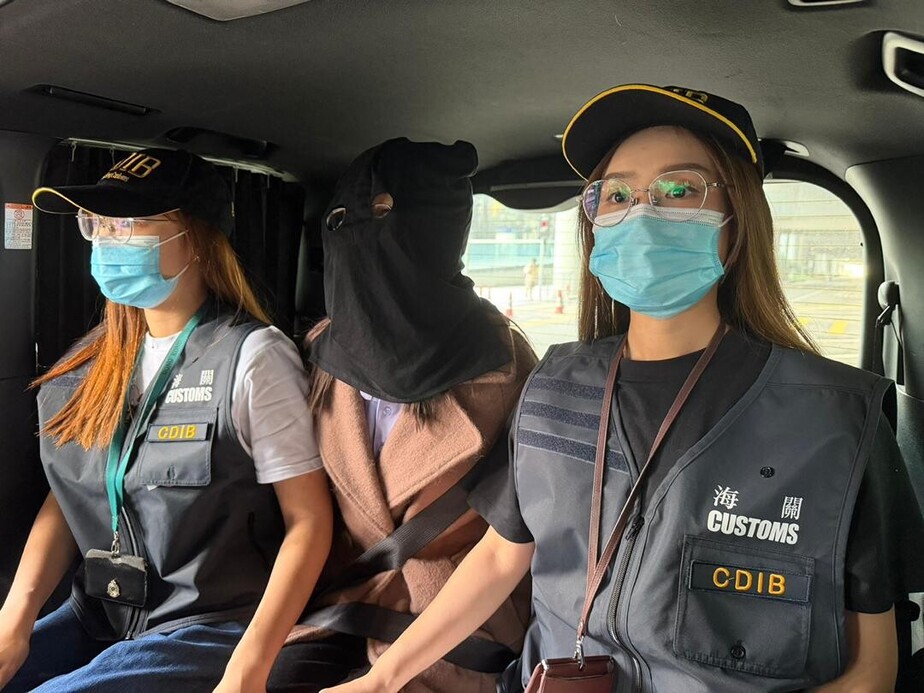
A 36-year-old woman travelling from Sierra Leone has been arrested in Hong Kong after authorities discovered approximately 3 kilograms of cocaine concealed in her luggage.
According to a press release issued by Hong Kong Customs, the suspect arrived at the Hong Kong International Airport on April 13, travelling from Freetown via Addis Ababa. During routine clearance procedures, customs officers say they uncovered the illicit substances hidden inside her baggage.
The seized drugs are estimated to have a market value of about $2.7 million. The woman was immediately taken into custody and has since been charged with one count of trafficking in a dangerous drug.
Authorities confirmed that the case is scheduled to be heard at the West Kowloon Magistrates’ Courts.
Officials say the discovery is a sign of the Hong Kong Customs commitment to combating transnational drug trafficking through intelligence-led operations and risk-based passenger screening, particularly focusing on high-risk routes.
The department also issued a strong public warning against drug trafficking activities, emphasizing that individuals should not accept offers to transport items for others without full knowledge of their contents.
Under Hong Kong’s Dangerous Drugs Ordinance, trafficking in illegal drugs carries severe penalties, including a maximum fine of $5 million and life imprisonment upon conviction.