Climate Change and Its Impact on African Economies

Table of Content

Climate change is one of the most pressing challenges facing Africa today. Despite contributing the least to global greenhouse gas emissions, the continent is disproportionately affected by its consequences.

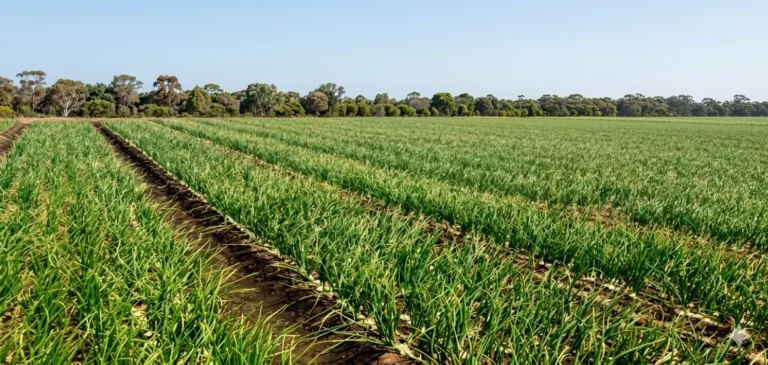
Agriculture, which employs a large portion of the population, is particularly vulnerable. Changes in rainfall patterns, prolonged droughts, and extreme weather events are affecting crop yields and food security. This has significant implications for both livelihoods and economic stability.

Water scarcity is another critical issue. Many regions are experiencing reduced access to clean water, leading to health problems and increased competition for resources. Urban areas are also facing challenges as rapid population growth puts pressure on existing infrastructure.

In response, African countries are adopting various adaptation strategies. Investments in climate-resilient agriculture, renewable energy, and sustainable infrastructure are gaining momentum. Solar energy, in particular, is becoming a viable solution for many communities.

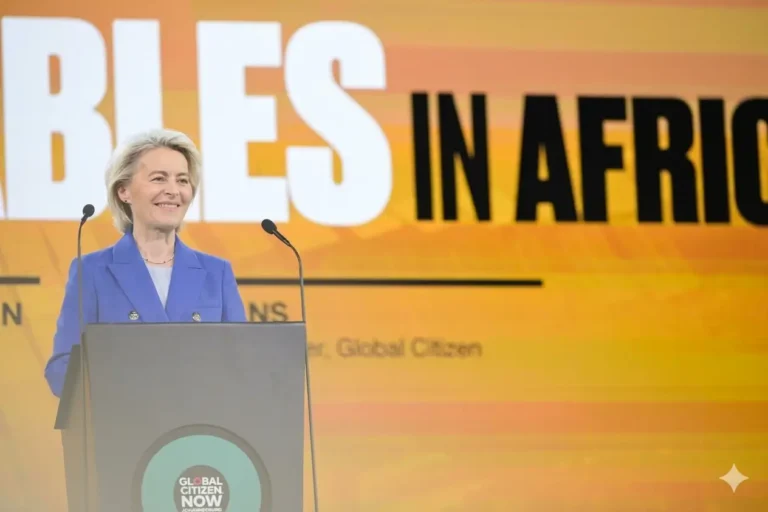
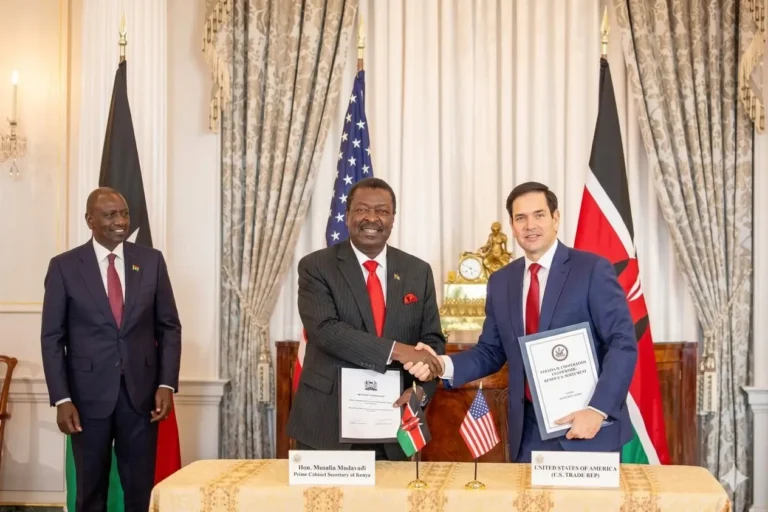
International support plays a crucial role in these efforts. Funding from global climate initiatives and partnerships with developed nations are helping African countries implement necessary changes.

However, more needs to be done. Stronger policies, regional cooperation, and increased investment are essential to effectively মোকাবিলা climate change.

Ultimately, addressing climate change is not just an environmental issue but an economic imperative for Africa’s future.

FCDev

devteam.fc@gmail.com https://fritongpost.com

Recent News

Latest News

Trending

The Changing Role of Community in the Digital Age

The concept of community has undergone a significant transformation in the digital age. Traditionally, communities were defined by geographic proximity and shared experiences. Today, digital platforms have expanded the definition to include virtual connections. Online communities have become an integral part of modern life. Social media groups, forums, and digital networks allow individuals to connect...

Urbanization and Its Impact on Social Structures

Urbanization is transforming societies around the world. As more people move to cities in search of better opportunities, traditional social structures are evolving in significant ways. One of the most noticeable changes is the shift in family dynamics. Extended families living together are becoming less common, replaced by nuclear households. This change has implications for...

The Role of Education in Sustainable Development

Education is a fundamental pillar of sustainable development. It not only equips individuals with knowledge and skills but also empowers them to contribute to economic growth and social progress. In a rapidly changing world, education systems must adapt to meet evolving needs. One of the key aspects of education in development is accessibility. Ensuring that...

Infrastructure Development in Emerging Economies: Opportunities and Risks

Infrastructure development is widely recognized as a cornerstone of economic growth in emerging economies. Roads, bridges, ports, and energy systems form the backbone of a nation’s productivity, enabling trade, mobility, and industrial expansion. In recent years, many developing countries have accelerated infrastructure investments to boost growth and improve living standards. One of the main drivers...

Cultural Diversity in a Globalized World

Cultural diversity is a defining feature of the modern world. Globalization has brought people from different backgrounds closer together, creating opportunities for exchange and understanding. Diversity enriches societies by fostering creativity and innovation. Exposure to different perspectives can lead to new ideas and solutions. However, globalization also poses challenges. Cultural homogenization and loss of traditions...

Quick Links

Must Read

©2026- All Right Reserved. Designed and Developed by Fans Connector